
Why 2026 favors these crypto sectors
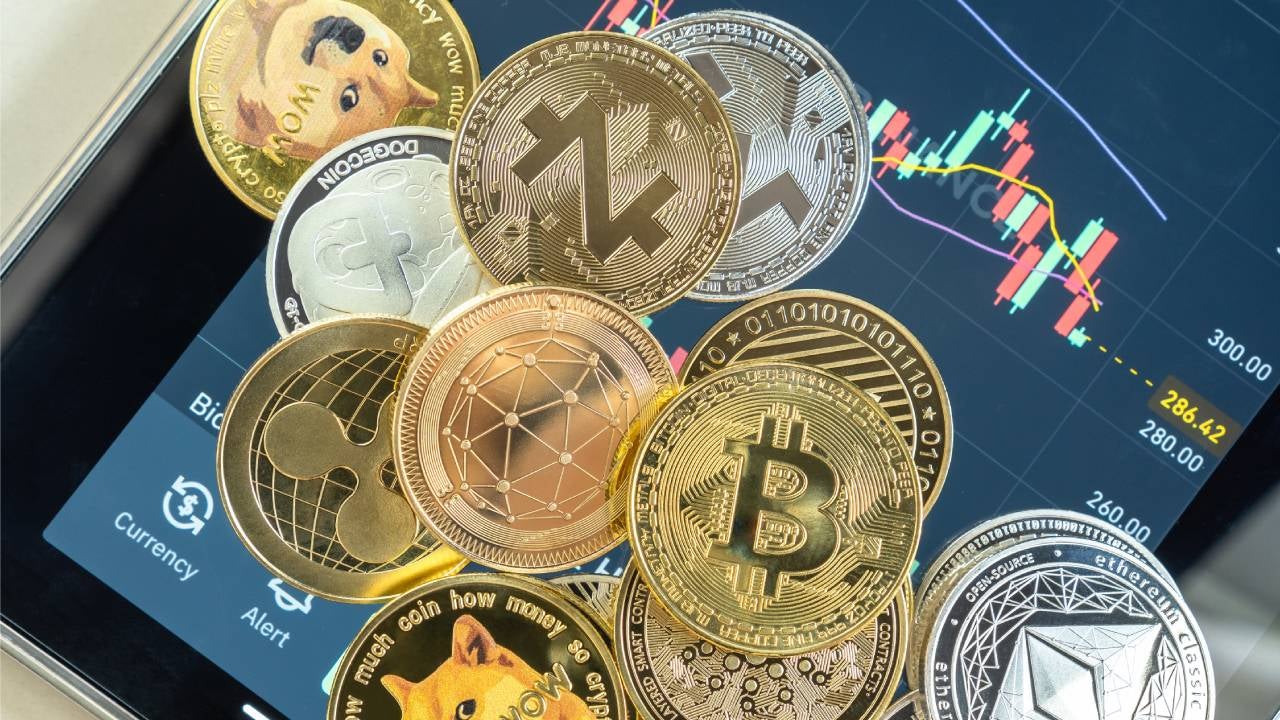
The cryptocurrency market in 2026 has shifted from pure speculation to utility-driven assets. While earlier cycles focused on hype, the current landscape rewards projects that solve real infrastructure problems. This shift is particularly evident in three areas: artificial intelligence (AI), real-world assets (RWA), and layer-2 (L2) scaling solutions.
AI tokens are gaining traction as blockchain integrates with machine learning. Projects in this sector provide decentralized compute power or data verification, addressing the growing demand for transparent AI infrastructure. This narrative is supported by major platforms exploring on-chain AI agents, as noted in recent industry analyses from Forbes Advisor.
Real-world assets (RWA) bring traditional finance on-chain. By tokenizing things like treasury bills, real estate, and commodities, these projects bridge the gap between legacy finance and decentralized networks. This trend offers institutional investors a regulated entry point into crypto, reducing volatility while increasing liquidity.
Layer-2 solutions are essential for scalability. As Ethereum and other base layers face congestion, L2s process transactions off-chain before settling them on the main chain. This results in lower fees and faster speeds, making everyday crypto interactions viable. Without L2s, widespread adoption remains hindered by cost and speed limitations.
These sectors are not just trends; they are foundational to the next phase of crypto maturity. Understanding their mechanics helps investors identify coins with lasting value rather than fleeting popularity.
5 Crypto Coins to Watch in 2026: AI, RWA, and L2 Leaders
Identifying genuine utility from speculative noise is critical within the converging sectors of AI, Real World Assets, and Layer 2 scaling. This curated selection highlights five specific coins backed by official protocols and concrete product roadmaps, prioritizing security and verified data over generic market sentiment.
1. Bitcoin: The institutional anchor
Bitcoin remains the bedrock of any serious 2026 portfolio, acting as a digital store of value amidst market volatility. Its growing adoption by institutional investors provides a stability that newer altcoins cannot match. This security-first approach makes it the essential foundation for long-term wealth preservation in the evolving crypto landscape.
2. Ethereum: The smart contract backbone
Ethereum continues to dominate the decentralized application space, serving as the primary infrastructure for DeFi and NFTs. Its ongoing scalability improvements ensure lower transaction costs and faster processing times, maintaining its relevance for developers building complex financial instruments in 2026.

3. Solana: High-speed ecosystem dominance
Solana’s unparalleled transaction speed and low fees make it the preferred chain for high-frequency trading and gaming applications. Its robust ecosystem attracts developers seeking performance, positioning it as a critical player for users demanding instant settlement and minimal costs in the 2026 market.

4. Chainlink: The data layer of Web3
Chainlink provides the essential oracle infrastructure that connects smart contracts to real-world data, a necessity for accurate RWA tokenization. Its decentralized network ensures data integrity, making it a foundational component for any financial application relying on external information feeds in 2026.

5. Bittensor: Emerging AI crypto leader
Bittensor pioneers the intersection of artificial intelligence and blockchain, creating a decentralized marketplace for machine learning models. Its unique subnet architecture allows for specialized AI tasks, offering exposure to the rapidly growing AI sector while maintaining the security benefits of a distributed network in 2026.

Compare top crypto picks for 2026
Choosing between Bitcoin, Ethereum, Solana, Chainlink, and Bittensor requires matching your risk tolerance to specific utility. The following comparison breaks down each asset’s market position and primary function in the 2026 landscape.
| Asset | Sector | Key Utility | Risk Profile |
|---|---|---|---|
| Bitcoin (BTC) | Store of Value | Digital gold, institutional hedge | Low |
| Ethereum (ETH) | Smart Contracts | DeFi, NFTs, staking | Medium |
| Solana (SOL) | Layer 1 | High-speed transactions, consumer apps | Medium-High |
| Chainlink (LINK) | Infrastructure | Oracle data feeds, CCIP | Medium |
| Bittensor (TAO) | AI | Decentralized machine learning | High |
Bitcoin remains the safest anchor for crypto portfolios, while Ethereum and Solana offer higher growth potential through their respective ecosystems. Chainlink provides essential infrastructure for cross-chain communication, and Bittensor captures the emerging AI narrative with higher volatility.


As an Amazon Associate, we may earn from qualifying purchases.
What coins should I invest in in 2026?
The 2026 crypto landscape is defined by three pillars: established market leaders, real-world asset tokenization, and Layer 2 scaling solutions. When asking what coins to invest in, the safest starting point is the market-cap leaders. Bitcoin (BTC) and Ethereum (ETH) remain the foundational anchors of any portfolio, offering the most liquidity and institutional adoption. For exposure to faster transactions and lower fees, Solana (SOL) and Arbitrum (ARB) are the primary Layer 2 contenders.
Beyond the top two, the focus shifts to utility and sector-specific growth. RWA tokens like Ondo Finance (ONDO) are bridging traditional finance with blockchain, while AI-focused coins such as Render (RNDR) capitalize on the computing power demand. Stablecoins like USDC and Tether (USDT) are not investments for growth but are essential for hedging volatility and providing exit liquidity during market downturns.
No comments yet. Be the first to share your thoughts!