
Why 2026 matters for altcoin growth
The cryptocurrency market operates on a four-year cycle tied to the Bitcoin halving. Historically, the 12 to 18 months following a halving event mark the peak of the bull market, a period where capital rotates from Bitcoin into higher-risk, higher-reward altcoins. For investors targeting high-potential picks in 2026, understanding this macroeconomic rhythm is the first step in identifying assets with genuine growth trajectories rather than fleeting hype.
Institutional adoption has fundamentally altered the landscape for 2026. Unlike previous cycles driven primarily by retail speculation, current market dynamics are influenced by regulated financial products, including spot ETFs and tokenized assets. This shift demands a focus on projects with concrete utility—specifically in decentralized finance (DeFi), artificial intelligence integration, and oracle infrastructure—rather than speculative memes or unproven concepts.
The convergence of these factors creates a specific window for growth. As institutional capital seeks yield beyond Bitcoin’s relatively stable appreciation, altcoins that solve real-world scalability and interoperability issues become the primary beneficiaries. Evaluating 2026’s high-potential picks requires filtering out noise and focusing on projects that are actively building infrastructure for this new, regulated era of digital assets.
5 Best Altcoins to Watch in 2026: High-Potential Picks
Navigating the 2026 altcoin landscape requires distinguishing between speculative noise and projects with verifiable utility in DeFi, AI, and oracle infrastructure. This selection prioritizes assets with concrete use cases and official documentation, ensuring a cautious, source-backed approach to high-stakes market analysis.
1. Ethereum institutional DeFi infrastructure
Ethereum remains the bedrock for institutional-grade decentralized finance, offering unmatched security and liquidity. Its transition to proof-of-stake has reduced energy consumption while maintaining robust smart contract capabilities. This stability attracts major financial players seeking reliable yield generation and complex derivative structures without the volatility of lesser networks.

2. Solana high-throughput consumer applications
Solana’s high throughput and low fees make it ideal for consumer-facing applications requiring rapid transaction finality. Its architecture supports scalable dApps in gaming, social media, and microtransactions. Developers favor this ecosystem for building user-friendly experiences that can handle mass adoption without network congestion or prohibitive gas costs.

3. Chainlink oracle data connectivity
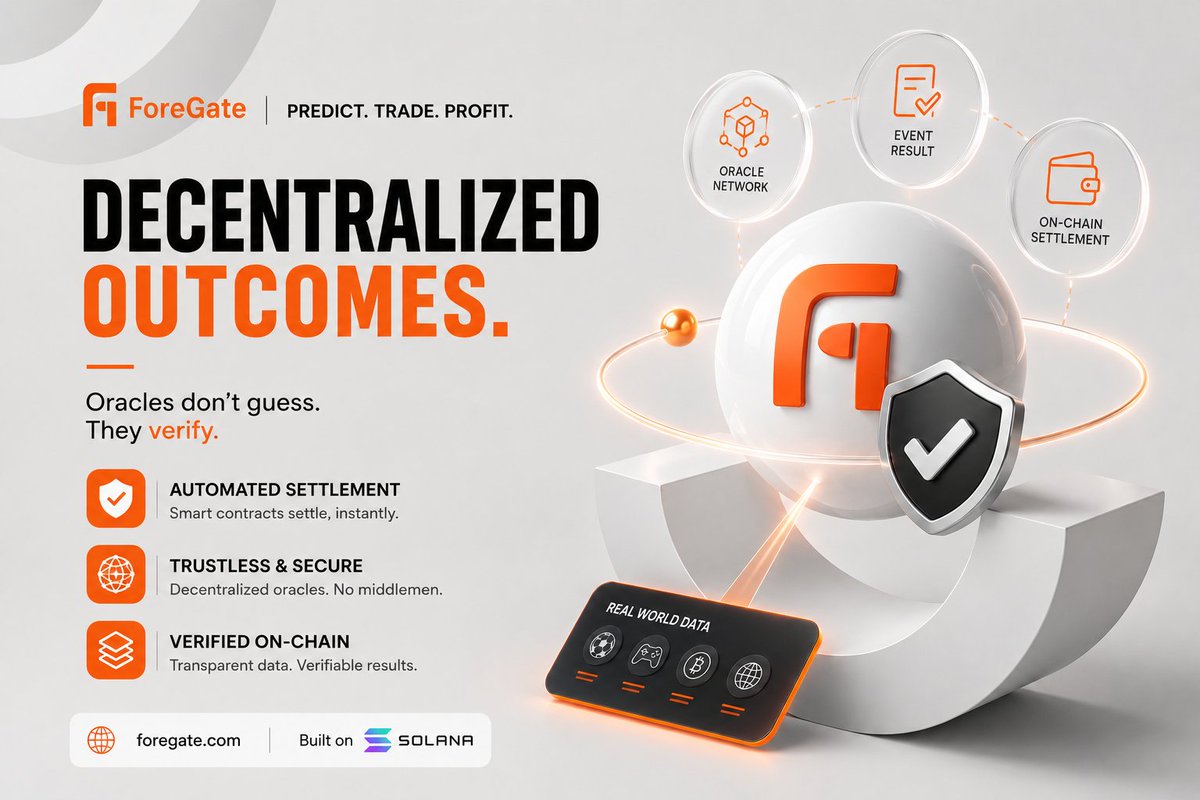
Chainlink provides critical decentralized oracle services, bridging smart contracts with real-world data. This connectivity is essential for accurate price feeds, random number generation, and external API calls. By ensuring data integrity, Chainlink mitigates the risk of manipulated inputs, making it a foundational component for secure DeFi protocols.
4. Render decentralized GPU rendering
Render Network decentralizes GPU computing power, allowing artists and developers to access affordable rendering resources. This infrastructure supports high-demand tasks like 3D animation and AI model training. By leveraging idle hardware globally, Render offers a cost-effective alternative to centralized cloud providers, fostering growth in creative and computational industries.

5. Polkadot cross-chain interoperability protocol
Polkadot enables seamless communication between disparate blockchains through its relay chain and parachain model. This interoperability allows assets and data to move freely across ecosystems, enhancing utility and liquidity. For investors, Polkadot represents a strategic play on a multi-chain future where isolated networks become interconnected nodes in a larger web.

How to compare these altcoin options
Selecting the right altcoin requires weighing market capitalization against specific utility and risk tolerance. While large-cap assets like Ethereum and Solana offer established liquidity, mid-cap options in the AI and Oracle sectors provide higher growth potential with corresponding volatility. This comparison isolates the core metrics that distinguish these five picks.
Market dynamics shift rapidly, so static snapshots rarely reflect current valuations. Use the live widgets below to verify real-time pricing and technical trends before committing capital. For investors preferring tangible resources over digital speculation, educational materials and hardware wallets remain essential for secure storage and market literacy.

As an Amazon Associate, we may earn from qualifying purchases.
Frequently asked questions about 2026 altcoins
For those building or securing their crypto infrastructure, consider reliable hardware for cold storage and educational resources to navigate market cycles.


As an Amazon Associate, we may earn from qualifying purchases.
Where to buy these top altcoins
Purchasing the high-potential altcoins identified in this roundup requires selecting a venue that aligns with your security requirements and trading volume. The primary market for these assets remains centralized exchanges (CEXs), which offer the deepest liquidity and lowest slippage for executing trades on tokens like Solana, Chainlink, and Ethereum.
For most investors, starting with a regulated platform such as Coinbase or Kraken provides a straightforward entry point. These exchanges support fiat on-ramps, allowing you to deposit USD directly to purchase your target assets. If you are seeking lower trading fees and access to a broader range of altcoin pairs, Binance remains the global leader in volume, though regulatory availability varies by jurisdiction.
Once your altcoins are acquired, the priority shifts to custody. Leaving significant holdings on an exchange carries counterparty risk. For long-term positions, transfer your assets to a self-custody wallet where you control the private keys. This distinction between trading venue and storage method is fundamental to managing risk in a high-stakes market.


As an Amazon Associate, we may earn from qualifying purchases.
No comments yet. Be the first to share your thoughts!