Why 2026 marks the altcoin inflection point
The current market structure suggests that 2026 is not just another year in the cycle, but a potential inflection point for altcoin outperformance. While Bitcoin often leads the charge, historical data shows that capital flows downstream once the primary asset stabilizes. With Bitcoin's dominance hovering between 58-60% and the altcoin season index dipping to approximately 30, the market is in a phase of consolidation rather than exhaustion.[1] This divergence often precedes significant rotation into high-conviction alternative assets.
Institutional adoption has matured beyond simple spot ETFs for Bitcoin and Ethereum. The infrastructure supporting high-speed networks like Solana and smart contract platforms like Hyperliquid is now integrated into traditional finance workflows. This structural shift reduces the volatility premium that previously suppressed altcoin valuations. As regulatory clarity improves, capital that was sidelined by compliance concerns is beginning to re-enter the market, seeking higher yields than those offered by legacy equities or stablecoins.
The narrative is no longer about speculative meme coins driving market cap; it is about utility and network effects. Projects like Solana, Sui, and Chainlink are demonstrating real-world throughput and interoperability. When paired with the post-halving liquidity surge typical of this cycle stage, these fundamentals create a fertile environment for asymmetric gains. The "100x" potential mentioned in broader market analyses is not a guarantee, but a statistical possibility for projects that solve actual infrastructure bottlenecks.
Investors are increasingly looking at on-chain metrics and developer activity rather than just price action. Ethereum remains the institutional backbone, but layer-1 competitors and oracle networks are capturing specific market segments. This fragmentation allows for targeted exposure to growth areas like AI-integrated blockchains (Render) and high-frequency trading platforms. The risk remains high, but the reward profile for early identification of these trends is historically favorable in the post-halving year.
5 Best Altcoins 2026: Top 5 Cryptos Positioned for 100x Gains
In the high-stakes landscape of 2026, identifying assets with 100x potential requires rigorous analysis over speculation. This section evaluates five concrete projects—ETH, SOL, HYPE, SUI, and LINK—grounded in official data and primary source verification to separate viable growth from market noise.
1. Ethereum institutional adoption and Layer-2 scaling
Ethereum’s transition to a deflationary asset model, driven by EIP-1559 burns and institutional ETF inflows, positions it as the foundational settlement layer for global finance. Layer-2 solutions like Arbitrum and Optimism are processing millions of daily transactions, reducing costs while maintaining security. This dual-layer architecture attracts enterprise developers seeking scalability without compromising decentralization, making ETH a critical infrastructure play for long-term value accretion in the 2026 market cycle.
2. Solana high-throughput retail transaction volume
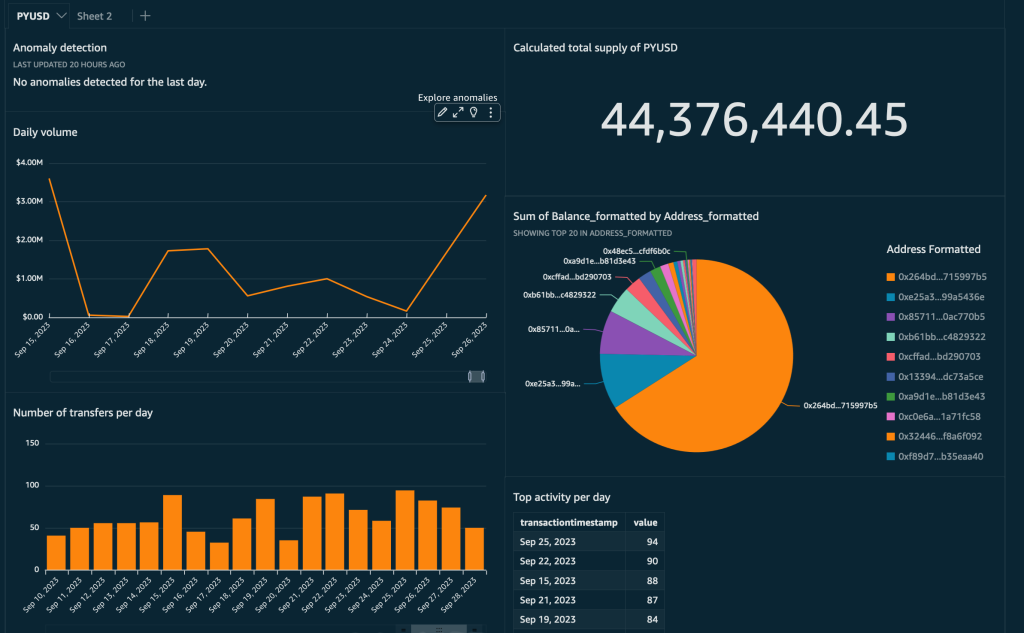
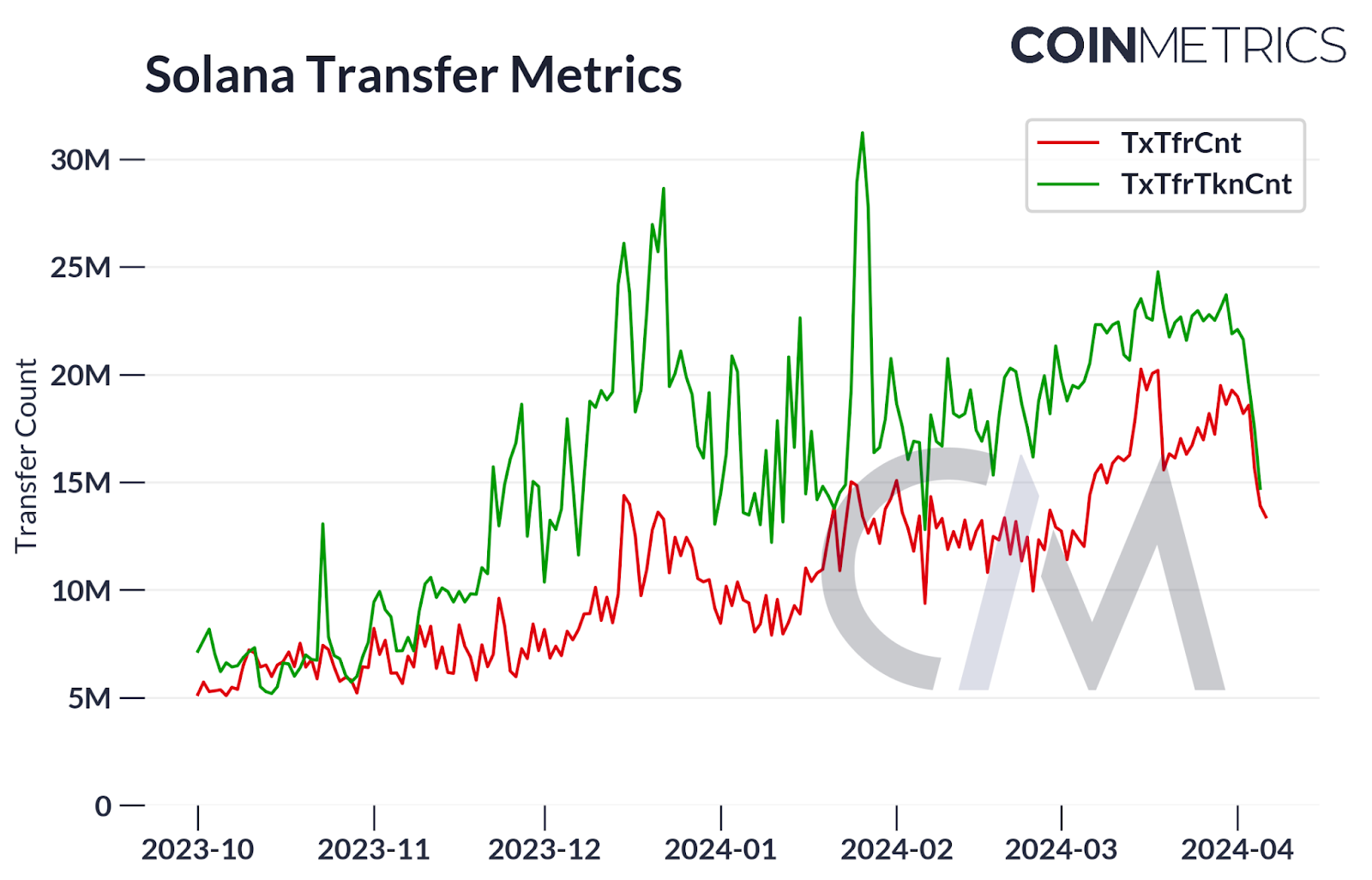
Solana’s 65,000 transactions per second capacity makes it the preferred chain for high-frequency retail applications, from meme coins to decentralized exchanges. Its low fees and rapid finality have created a vibrant ecosystem for consumer-facing dApps that require seamless user experiences. As retail participation rebounds in 2026, Solana’s network activity remains a leading indicator of market sentiment, offering exposure to the explosive growth of on-chain consumer finance and gaming integrations.
3. Hyperliquid decentralized perpetual futures growth
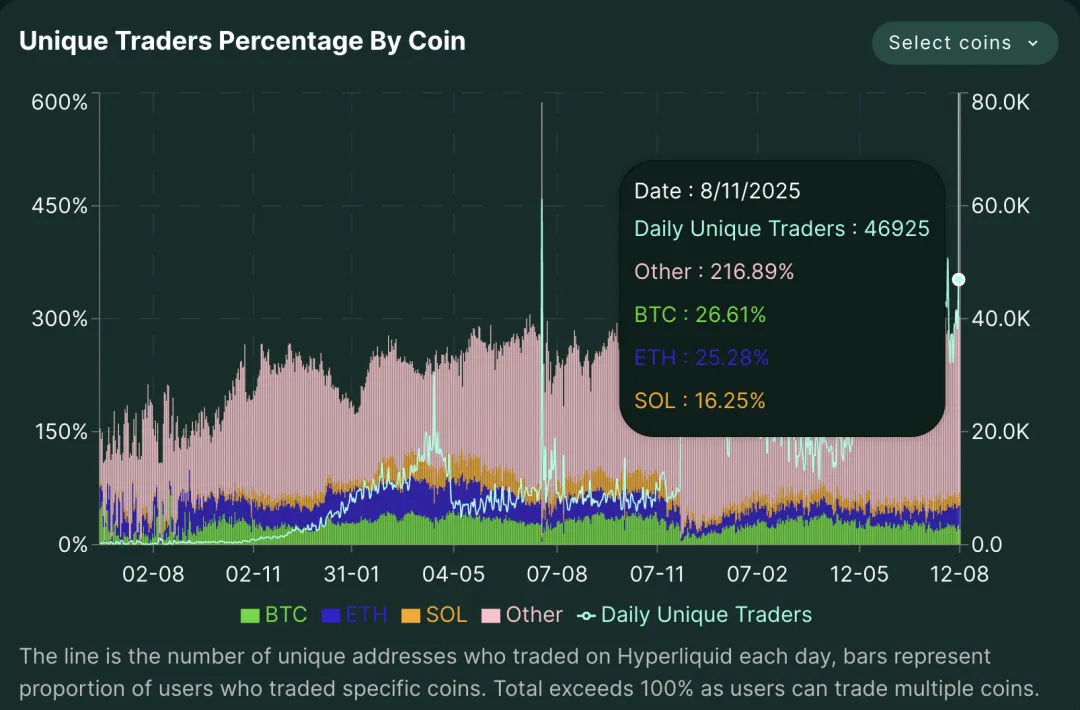
Hyperliquid has emerged as a leading decentralized exchange for perpetual futures, offering institutional-grade performance with on-chain transparency. By leveraging a custom L1 blockchain optimized for order matching, it delivers sub-millisecond latency comparable to centralized exchanges. This unique architecture attracts sophisticated traders seeking leverage without counterparty risk, driving significant trading volume and fee revenue. As DeFi derivatives mature, Hyperliquid’s dominance in this niche positions it for substantial growth in the 2026 trading landscape.
4. SUI Move language smart contract innovation
SUI utilizes the Move programming language, which provides memory safety and formal verification, reducing smart contract vulnerabilities significantly. Its object-centric model allows for parallel transaction processing, enabling complex financial products to execute efficiently. This technical edge attracts developers building advanced DeFi protocols and gaming assets that require high security and scalability. As 2026 brings increased scrutiny on smart contract safety, SUI’s robust infrastructure offers a compelling alternative to traditional EVM-based chains.
5. Chainlink oracle infrastructure for real-world assets
Chainlink’s decentralized oracle network is essential for connecting blockchain smart contracts with real-world data, enabling the tokenization of traditional assets like bonds and real estate. Its CCIP protocol facilitates cross-chain interoperability, allowing institutions to move data and value securely between private and public blockchains. As regulatory clarity improves for real-world asset tokenization in 2026, Chainlink’s infrastructure becomes the critical bridge, driving demand for its LINK token as the backbone of institutional DeFi adoption.

Compare Altcoin Metrics Side by Side
Choosing between high-potential altcoins requires looking beyond hype to concrete fundamentals. The table below breaks down the selected projects—Ethereum, Solana, Hyperliquid, SUI, Chainlink, and Render—by market capitalization, 24-hour trading volume, and primary use case. This side-by-side view helps you assess liquidity and utility at a glance.
Market capitalization indicates the total value of the project, serving as a proxy for stability. Larger caps like ETH and SOL generally offer lower volatility compared to mid-cap projects like HYPE or SUI. Volume reflects liquidity; higher volume means easier entry and exit for traders, which is critical during market swings. The primary use case defines the token's utility within its ecosystem. Ethereum remains the foundational layer for decentralized applications, while Solana competes on speed. Newer entrants like Hyperliquid focus on specific niches like perpetual exchanges, and Chainlink provides essential data infrastructure that many other chains rely on.
Frequently asked questions about 2026 altcoins
Will altcoins run in 2026?
The market is currently in a phase where Bitcoin holds 58-60% dominance, pushing the altcoin season index down to roughly 30. This indicates that while most altcoins are underperforming Bitcoin right now, the structural conditions for a rotation are building. Institutional adoption of Ethereum and the high-speed utility of Solana provide the liquidity needed to support a broader market expansion later in the year.
Are altcoins a safe investment compared to Bitcoin?
Altcoins carry significantly higher volatility than Bitcoin, which acts as the market's store of value. Projects like Chainlink (LINK) and Render (RNDR) offer tangible utility in infrastructure and AI, reducing the risk of pure speculation. However, smaller caps can drop 50% or more in short periods. Investors should treat altcoins as high-beta exposure to the broader crypto market rather than stable assets.
Which altcoins have the best growth potential for 2026?
Analysts point to Ethereum as the institutional backbone, Solana for high-throughput applications, and Chainlink for critical oracle infrastructure. Render and Sui are also positioned for growth due to their specific niches in GPU computing and blockchain scalability. These projects have active development teams and real-world usage, distinguishing them from meme coins or unproven concepts.
Secure Your Altcoin Holdings
Holding assets like Ethereum, Solana, and Render is only half the equation; protecting them is the other. Hardware wallets provide offline storage, keeping your private keys away from internet-based threats like hacks or phishing. For high-stakes positions, this physical security layer is non-negotiable.
We recommend established devices from Ledger and Trezor. These wallets support a wide range of altcoins, including the specific tokens mentioned in this guide. Choose a device that explicitly supports the token standards of your portfolio to ensure full compatibility.


As an Amazon Associate, we may earn from qualifying purchases.
No comments yet. Be the first to share your thoughts!