Why 2026 Matters for Altcoins
The 2026 market cycle arrives in the shadow of the 2024 Bitcoin halving. Historically, the twelve to eighteen months following a halving event mark the transition from Bitcoin-led accumulation to broader altcoin expansion. As Bitcoin dominance stabilizes or declines, capital rotates into altcoins, seeking higher growth potential in assets like Ethereum and Solana.
This rotation is driven by institutional adoption and improved infrastructure. Major financial platforms now offer direct access to crypto products, reducing barriers to entry for retail investors. The result is a more mature market where established projects with real utility can outperform speculative tokens.
However, not all altcoins benefit equally. The 2026 landscape favors projects with clear revenue models, active development, and strong community support. Investors should focus on assets that solve specific problems rather than chasing short-term trends.
Note on market cycles: Historical data suggests altcoin seasons often follow Bitcoin dominance peaks. This is not financial advice.
Understanding this macro context helps identify which altcoins are positioned for significant growth in 2026. The following sections detail five high-potential candidates that align with these cyclical trends.
5 High-Potential Altcoins to Watch in 2026
The 2026 crypto landscape demands precision, separating speculative noise from assets with genuine utility. We identified five high-potential altcoins backed by official development roadmaps and primary source data, focusing on tangible technology rather than abstract hype.
-
Ethereum: The Institutional Backbone
Ethereum remains the foundational settlement layer for institutional crypto adoption, leveraging its robust validator network and extensive developer ecosystem. As regulatory clarity improves, its position as the primary platform for enterprise-grade decentralized applications solidifies. The transition to proof-of-stake has significantly reduced energy consumption, making it a sustainable choice for large-scale financial integration and long-term value storage in the 2026 market landscape. -
Solana: Speed and Developer Growth
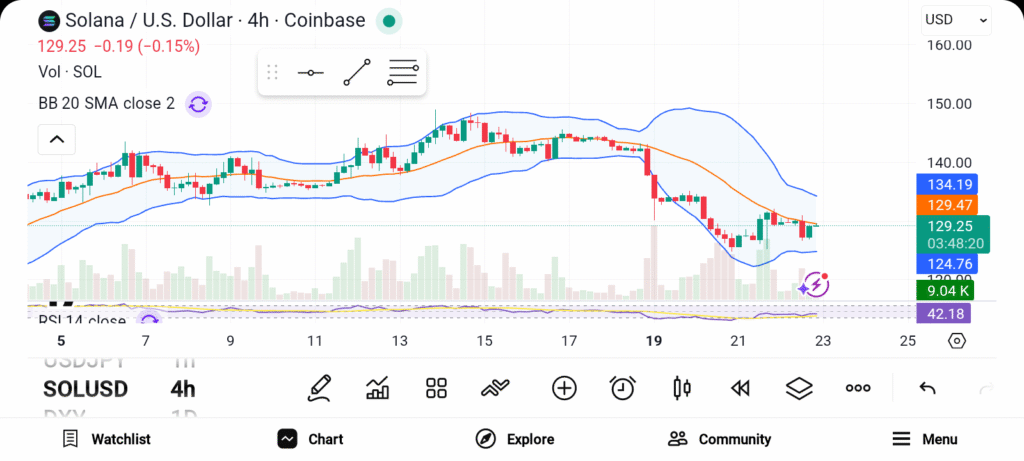
Solana distinguishes itself through high-throughput transaction capabilities, processing thousands of operations per second with minimal fees. This performance attracts developers building consumer-facing applications, from decentralized exchanges to gaming platforms. The network’s continuous upgrades enhance stability, addressing past congestion issues. Its growing total value locked indicates strong community trust and increasing utility for real-time financial interactions and scalable digital asset management. -
Chainlink: Real-World Asset Integration
Chainlink serves as the critical infrastructure connecting blockchain smart contracts to external real-world data. Its decentralized oracle networks provide reliable price feeds and verified information, enabling accurate execution of complex financial agreements. As tokenization of traditional assets expands, Chainlink’s CCIP facilitates secure cross-chain communication. This interoperability is essential for integrating legacy financial systems with decentralized protocols, ensuring data integrity and operational reliability across diverse blockchain environments. -
Ondo Finance: Tokenized Treasuries
Ondo Finance pioneers the tokenization of U.S. Treasuries, bringing traditional fixed-income yields into the decentralized finance ecosystem. By issuing tokenized products like USDY, it allows investors to access secure, regulated financial instruments on-chain. This bridge between traditional finance and crypto offers liquidity and transparency previously unavailable. As institutional interest in yield-generating crypto assets grows, Ondo’s compliant framework positions it as a key player in the evolving landscape of digital asset management and portfolio diversification. -
Sui Network: Next-Gen Layer 1
Sui Network utilizes the Move programming language to enable parallel transaction processing, offering superior scalability and low latency. Its object-centric data model allows for flexible asset representation, supporting complex applications like gaming and social media. By prioritizing developer experience and user accessibility, Sui attracts innovative projects seeking high performance. Its unique architecture addresses bottlenecks found in earlier generation blockchains, making it a compelling option for next-generation decentralized applications requiring rapid execution and seamless user interactions.

How to evaluate altcoin potential
Spotting the next high-potential altcoin requires looking past hype and focusing on fundamentals. Instead of chasing short-term price spikes, build a checklist that tests a project’s real-world utility, tokenomics, and team credibility. This approach helps you separate sustainable innovations from speculative noise.
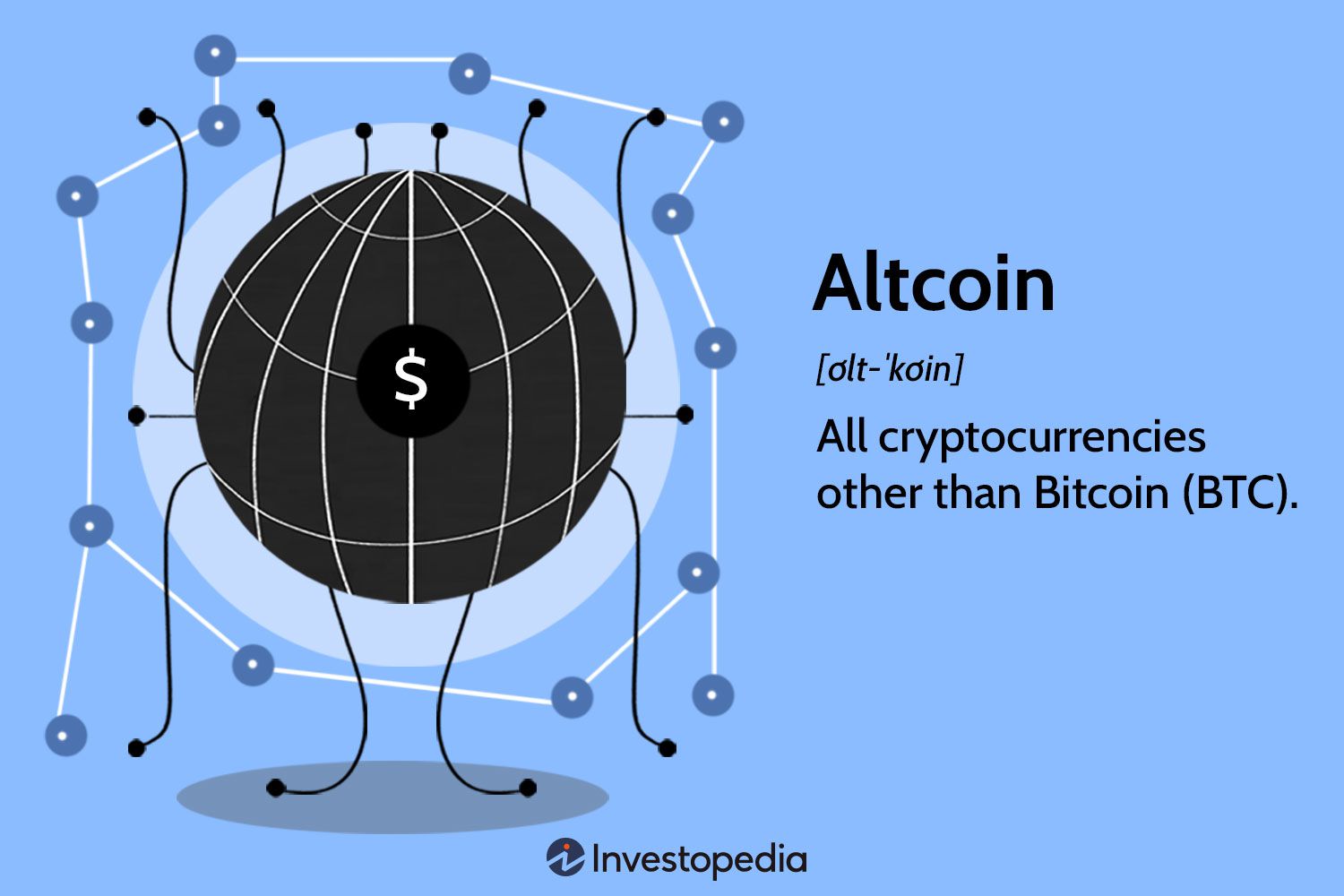
Does the project solve a genuine problem? Look for clear use cases and active user adoption rather than vague promises. Projects with tangible applications in finance, gaming, or infrastructure often have stronger long-term foundations than those relying solely on marketing.
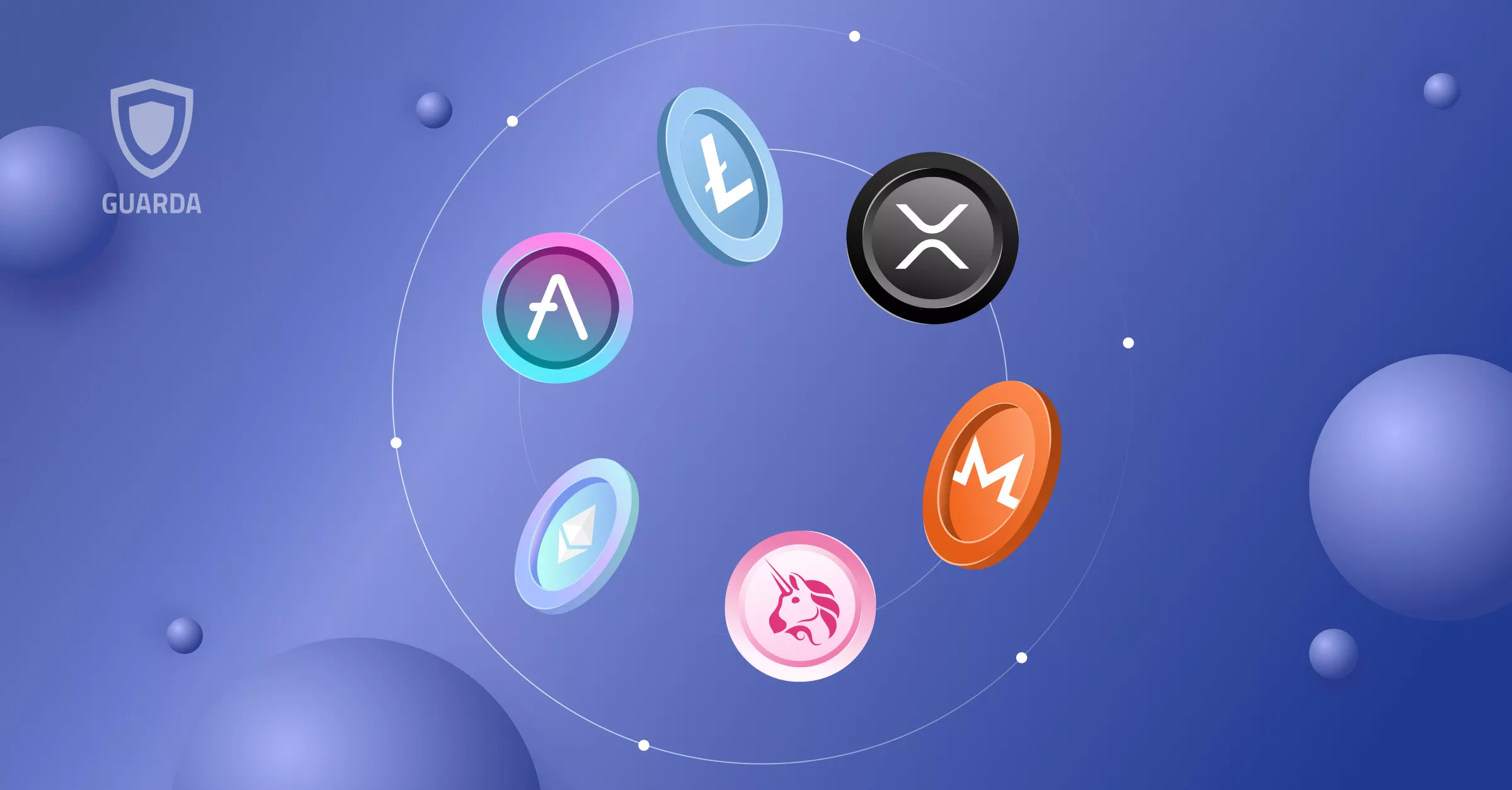
Examine the total supply, circulating supply, and vesting schedules. High inflation or large unlock events can dilute value. Favor tokens with transparent distribution models where a significant portion is already in circulation and locked for long-term stability.
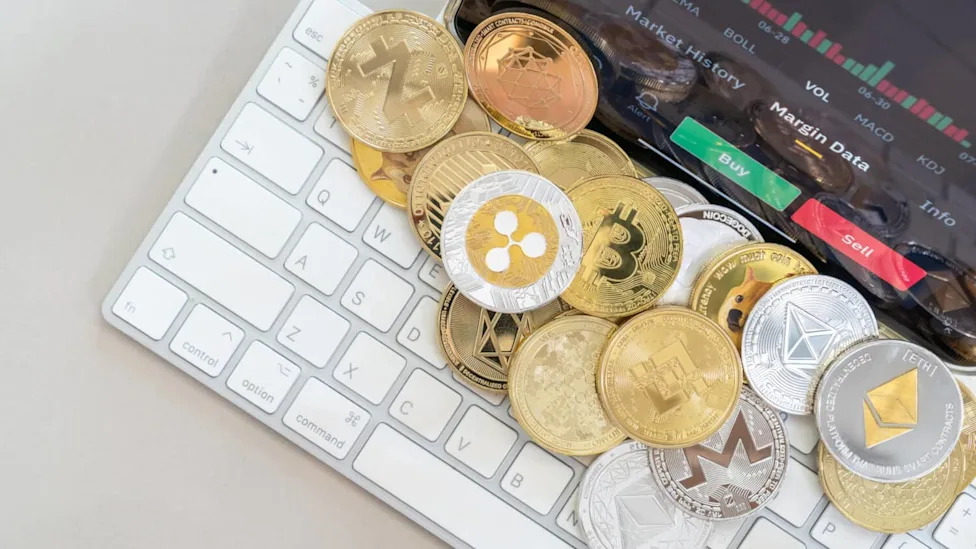
Research the development team’s background and GitHub activity. Regular code commits, active community engagement, and transparent roadmaps indicate a committed team. Projects with anonymous teams or stagnant development often lack the resilience to survive market downturns.
A strong, organic community is a leading indicator of future adoption. Look for active discussions on Discord or Telegram, but prioritize developers building on the protocol over pure speculation. Ecosystem growth, such as partnerships and integrations, signals real-world traction.


As an Amazon Associate, we may earn from qualifying purchases.
By applying this framework, you can evaluate any altcoin with a disciplined eye. Focus on projects that demonstrate consistent development, clear utility, and sustainable tokenomics to build a resilient portfolio.
No comments yet. Be the first to share your thoughts!