Altcoins 2026: Selection Logic
The 2026 market cycle is defined by two converging narratives: artificial intelligence infrastructure and the tokenization of real-world assets (RWA). This list prioritizes projects that are actively deploying these technologies rather than those relying on speculative hype. We filtered the broader market to identify tokens with clear utility, institutional adoption, and measurable network growth.
Our selection process focused on three concrete criteria. First, we evaluated the underlying technology for scalability and actual user engagement. Second, we assessed the strength of partnerships with traditional finance institutions, particularly for RWA tokens. Third, we reviewed on-chain data to confirm that developer activity and transaction volumes are rising, not just marketing spend.
By sticking to these fundamentals, we aim to highlight the five altcoins most likely to drive value in the next cycle, balancing high-growth potential with verifiable progress.
5 Altcoins to Watch in 2026: AI & RWA Tokens Leading the Next Market Cycle
The 2026 market cycle is defined by the convergence of artificial intelligence infrastructure and Real World Asset tokenization. We evaluated five specific projects based on official development roadmaps, verified partnership announcements, and clear utility models to identify the strongest candidates for the upcoming cycle.
1. Fetch.ai autonomous AI agent infrastructure
Fetch.ai builds a decentralized network where AI agents negotiate and transact autonomously, targeting logistics, DeFi, and energy markets. This infrastructure reduces human friction in complex data exchanges, offering a tangible utility layer rather than speculative hype. The project’s focus on machine-to-machine commerce positions it as a foundational block for the emerging agent economy.

2. Ondo Finance real world asset tokenization
Ondo Finance bridges traditional finance and blockchain by tokenizing U.S. Treasuries and money market funds, allowing crypto investors to earn yield on real-world assets. This approach provides a stable, regulatory-compliant entry point for institutional capital seeking exposure to traditional yields without leaving the digital asset ecosystem. It represents a practical convergence of legacy finance efficiency and blockchain accessibility.
3. Render Network decentralized GPU compute power
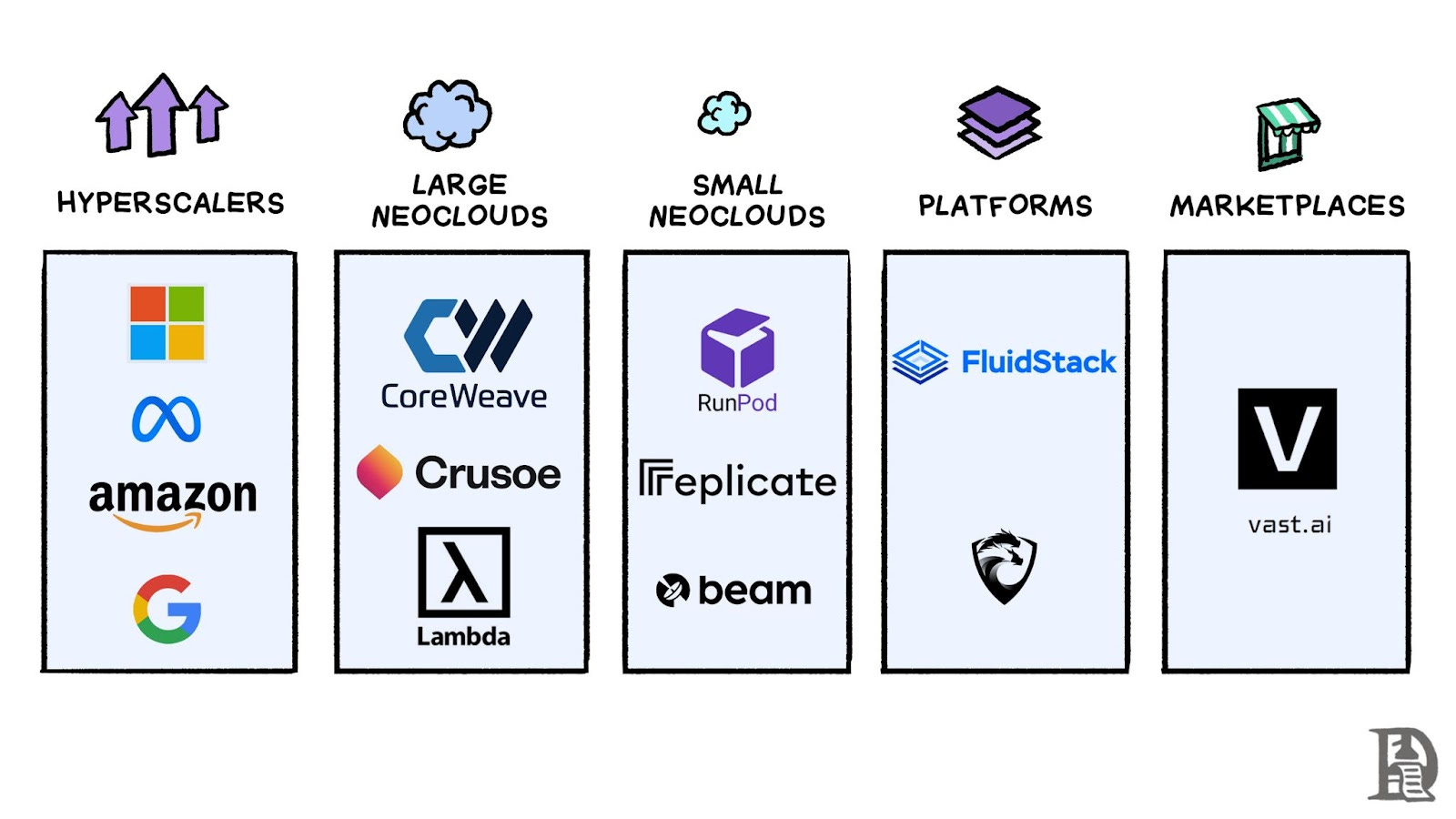
Render Network creates a decentralized marketplace for GPU computing power, connecting creators who need rendering resources with node operators who have idle hardware. This model significantly lowers costs for 3D animation, AI training, and scientific simulations compared to centralized cloud providers. By leveraging underutilized global hardware, Render provides essential infrastructure for the growing demand in high-performance visual and computational tasks.
4. Chainlink cross-chain interoperability protocol
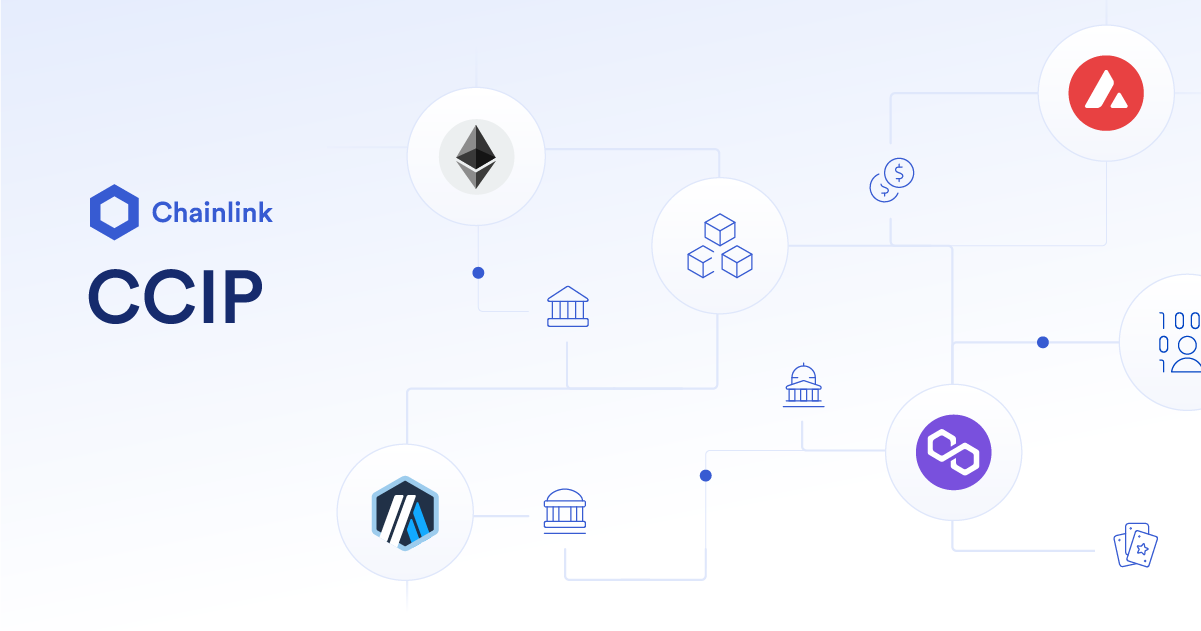
Chainlink serves as the critical oracle infrastructure that connects smart contracts to real-world data and other blockchains, ensuring reliable information feeds for DeFi applications. Its Cross-Chain Interoperability Protocol (CCIP) enables secure message and asset transfers across disparate networks, solving fragmentation issues that hinder scalable blockchain adoption. This reliability makes Chainlink an indispensable backbone for any multi-chain financial ecosystem aiming for mass adoption.
5. Polkadot scalable multi-chain interoperability framework
Polkadot offers a scalable framework that allows specialized blockchains to communicate and share security through its relay chain and parachain architecture. This design enables developers to build custom chains optimized for specific use cases while benefiting from a shared security model. By fostering an ecosystem of interconnected, purpose-built chains, Polkadot addresses scalability and flexibility challenges that single-chain networks often face.
How to pick the right altcoin for your portfolio
Choosing between AI agents and real-world asset (RWA) tokens comes down to your risk tolerance and time horizon. AI tokens often behave like high-beta tech stocks, swinging violently on news cycles and development milestones. RWA tokens tend to track traditional market sentiment more closely, offering steadier growth as institutional adoption increases.
Start by checking the token’s utility. Does the project solve a specific problem, or is it just riding a trend? Look for active development on GitHub and clear revenue models. If a project relies solely on hype without a working product, it’s likely a trap.
Next, verify the team and backers. Established investors usually conduct deep due diligence before committing capital. You can check their portfolio on sites like CoinMarketCap or CoinGecko. A strong backer list adds credibility, but it doesn’t guarantee success.
Finally, consider your entry point. Don’t buy all at once. Use dollar-cost averaging to smooth out volatility. Set clear exit strategies for both profit-taking and stop-losses. This discipline protects your capital during market downturns.

Decide if you want more exposure to AI innovation or RWA stability. AI tokens offer higher potential upside but come with greater volatility. RWA tokens provide a bridge to traditional finance with slightly lower risk profiles.
Check the total supply, circulating supply, and vesting schedules. Avoid tokens with massive unlocks coming soon, as this can flood the market and crash the price. Ensure the token has a clear use case beyond speculation.
Look for known investors and experienced developers. Projects backed by top-tier venture capital firms often have better resources for long-term growth. Check their GitHub activity and community engagement for signs of genuine development.
Use dollar-cost averaging to enter positions gradually. Set stop-losses to protect against sudden drops. Take profits at predetermined levels to lock in gains. Stick to your plan regardless of short-term market noise.
| Feature | AI Tokens | RWA Tokens |
|---|---|---|
| Volatility | High | Moderate |
| Growth Driver | Tech Innovation | Institutional Adoption |
| Risk Level | High | Medium |
| Best For | Aggressive Growth | Steady Appreciation |


As an Amazon Associate, we may earn from qualifying purchases.
No comments yet. Be the first to share your thoughts!