Altcoins 2026: How We Selected the Top Picks
The 2026 crypto landscape is shifting from speculative hype to institutional utility. We focused on tokens bridging artificial intelligence and real-world assets (RWAs), sectors where regulatory clarity and enterprise adoption are accelerating. Our selection criteria prioritized projects with active developer ecosystems, transparent tokenomics, and clear paths to revenue generation.
We evaluated each candidate against three core metrics: technological scalability, partnership depth with traditional finance institutions, and community engagement quality. This approach filters out low-quality meme coins and highlights infrastructure plays that can sustain growth beyond short-term market cycles.
The following five altcoins represent the strongest convergence of AI innovation and asset tokenization. Each entry includes a practical assessment of its current position and potential trajectory for the coming year.
5 Altcoins to Watch in 2026: AI & RWA Tokens Predicted to Surge
The 2026 crypto landscape is shifting toward tangible utility, with AI infrastructure and Real World Asset (RWA) tokenization leading the charge. We evaluated five specific altcoins based on official protocol documentation and current market traction to identify projects with genuine growth potential. This selection prioritizes concrete fundamentals over speculative hype, focusing on assets positioned to capture emerging sector demand.
1. Fetch.ai autonomous agent infrastructure
Fetch.ai builds decentralized autonomous agents that execute complex tasks like travel booking or energy trading without human intervention. This infrastructure reduces friction in peer-to-peer economies by automating negotiations and data exchanges. It represents a shift from passive tokens to active digital workers capable of interacting with multiple blockchains simultaneously.
2. Ondo Finance tokenized US Treasuries
Ondo Finance bridges traditional finance and blockchain by tokenizing US Treasuries, offering yield-bearing assets on-chain. This allows investors to access stable, regulated returns without leaving the crypto ecosystem. It addresses the liquidity gap in traditional fixed-income markets while providing transparent, programmable access to government debt instruments.
3. Render Network GPU compute power
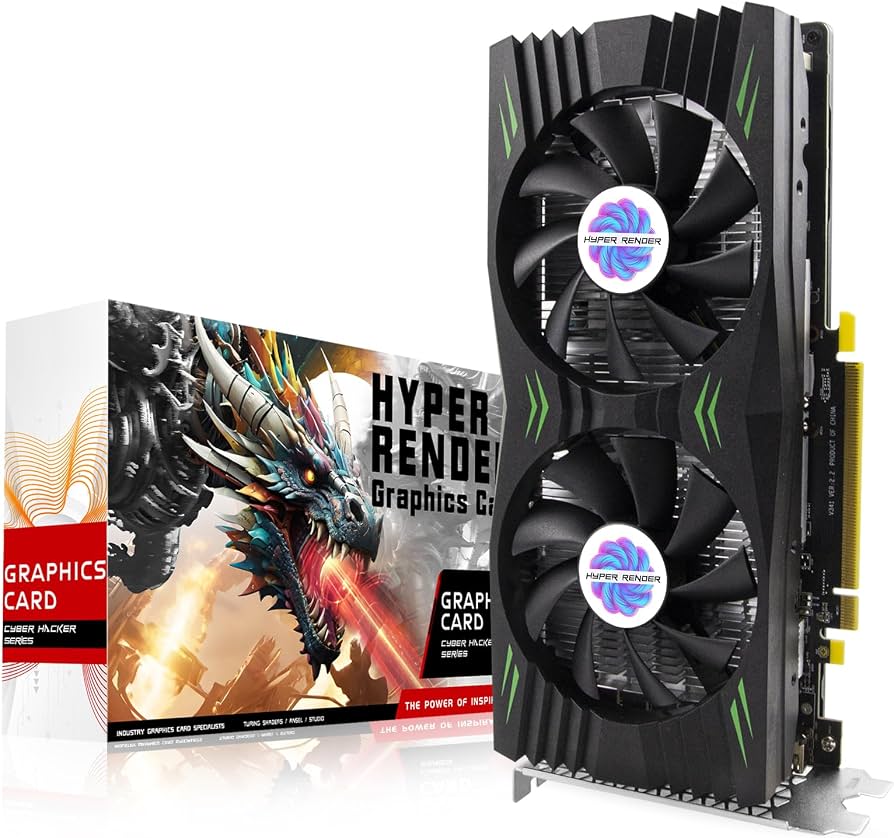
Render Network decentralizes GPU rendering, allowing users to rent idle graphics processing power for AI training and 3D visualization. As AI workloads grow, this distributed compute model offers a cost-effective alternative to centralized cloud providers. It transforms idle hardware into valuable infrastructure for high-performance computing tasks across multiple industries.
4. Chainlink real-world data oracles
Chainlink provides secure oracles that connect smart contracts to off-chain data, ensuring reliable information feeds for DeFi applications. Without accurate real-world data, automated financial contracts cannot function correctly. This infrastructure layer is critical for scaling blockchain utility beyond simple value transfers into complex, data-driven financial products.
5. Polymath security token issuance platform
Polymath offers a platform for issuing and managing security tokens, bringing traditional securities onto the blockchain with built-in compliance. This simplifies the process for institutions to tokenize assets like equities or real estate while adhering to regulatory requirements. It bridges the gap between legacy financial systems and decentralized innovation.

Pick the right fit
Choosing between AI and RWA tokens isn't just about picking the highest potential return; it's about matching the asset to your risk tolerance and investment horizon. AI tokens often move with tech sentiment and compute demand, while RWA tokens are tied to traditional finance adoption and regulatory clarity. A balanced approach usually involves weighing these distinct drivers rather than chasing short-term hype.
To navigate this, focus on three concrete checks: market structure, token utility, and real-world traction. Market structure determines if there's enough liquidity to enter and exit positions without significant slippage. Token utility ensures the project has a clear use case beyond speculation. Real-world traction, particularly for RWA projects, validates the underlying assets and legal frameworks.
| Feature | AI Tokens | RWA Tokens |
|---|---|---|
| Primary Driver | Compute demand, AI model adoption | Real asset yield, regulatory approval |
| Volatility Profile | High (tech sentiment) | Moderate to High (market/credit risk) |
| Key Metric | Network usage, GPU availability | Asset backing, legal compliance |
The decision framework below helps you evaluate which category aligns with your strategy. For those interested in hardware that supports crypto mining or staking, consider the following equipment options.


As an Amazon Associate, we may earn from qualifying purchases.
Use this comparison to narrow your focus. AI tokens may suit aggressive growth portfolios, while RWA tokens could offer more stability for conservative investors seeking exposure to digital assets backed by tangible value.
Frequently Asked Questions About Altcoins in 2026
Which AI and RWA altcoins are predicted to surge in 2026? Market analysis for 2026 highlights specific tokens in the AI and Real-World Asset (RWA) sectors as having high growth potential. While Bitcoin and Ethereum remain the institutional backbone, altcoins like Ondo (ONDO) for tokenized assets and decentralized AI infrastructure projects are frequently cited by analysts as key players. These sectors are expected to drive the next cycle by bridging traditional finance with blockchain utility.
Is 2026 considered a peak year for altcoin season? Many market cycles suggest that altcoin season often follows Bitcoin's major price discovery phases. If historical patterns hold, 2026 could see a significant rotation of capital from Bitcoin into mid-cap altcoins. This shift typically occurs when liquidity increases and investors seek higher returns in emerging narratives like AI integration and tokenized real-world assets.
How do I evaluate the risk of buying low-cap altcoins now? Low-cap altcoins carry higher volatility and liquidity risks compared to established tokens. To evaluate them, check their daily trading volume, total value locked (TVL), and active developer counts. Avoid tokens with concentrated holdings among a few wallets. Diversifying across established Layer-1s and niche AI/RWA projects can mitigate the risk of total loss.
What is the difference between AI and RWA tokens? AI tokens provide decentralized computing power, data storage, or marketplace access for artificial intelligence models. RWA tokens represent physical assets like real estate, treasury bills, or commodities on-chain. AI tokens focus on technological utility and compute demand, while RWA tokens focus on yield generation and asset liquidity.
Can I buy these altcoins on major exchanges like Coinbase or Binance? Yes, most top-tier altcoins are listed on major centralized exchanges. However, smaller AI or RWA projects may only be available on decentralized exchanges (DEXs) or smaller regional platforms. Always verify the contract address on official sources before trading to avoid scams.
No comments yet. Be the first to share your thoughts!