
Crypto predictions 2026 budget
Setting a budget for crypto in 2026 requires balancing speculative upside against the reality of market volatility. Most forecasts, including those from Binance and Bitcoin Suisse, suggest a mid-cycle rally where Bitcoin could approach $180,000 and Ethereum near $8,000. However, these are projections, not guarantees. Your budget should reflect how much volatility you can withstand if those targets miss.
Start by defining your risk tolerance. If you are conservative, allocate 5-10% of your portfolio to established assets like Bitcoin and Ethereum. If you are aggressive, you might include smaller caps or altcoins with higher growth potential but higher failure rates. Never invest money you cannot afford to lose, especially in a market that can swing 20% in a week.
Consider dollar-cost averaging (DCA) to smooth out entry points. Instead of buying a large position all at once, spread your purchases over weeks or months. This reduces the impact of short-term price swings and helps you build a position without timing the market perfectly. It is a simple, effective way to manage risk in a unpredictable environment.
Shortlist real options
Predicting the mid-cycle rally requires separating institutional-grade assets from speculative noise. The strongest candidates for 2026 share two traits: clear regulatory footing and tangible utility beyond mere speculation. Bitcoin Suisse’s 2026 outlook suggests the industry’s groundwork finally pays off, with Bitcoin targeting $180K and Ethereum reaching $8K as yields become accessible. Meanwhile, Coinbase’s institutional research highlights that clearer regulation will deepen crypto’s role in core finance, favoring assets that serve as infrastructure rather than just tokens.
To navigate this, we compare the primary vehicles investors are watching. Bitcoin remains the liquidity anchor, while Ethereum offers yield-generating utility. Solana captures high-frequency retail traffic, and XRP provides institutional bridge liquidity. Each serves a distinct role in a diversified 2026 portfolio.
| Asset | Primary Role | 2026 Catalyst | Key Risk |
|---|---|---|---|
| Bitcoin (BTC) | Store of Value & Yield | Institutional adoption & ETF flows | Regulatory classification shifts |
| Ethereum (ETH) | Smart Contract Platform | Yield generation & Layer 2 scaling | Competition from faster chains |
| Solana (SOL) | High-Performance Chain | Retail onboarding & DePIN growth | Network stability & centralization |
| XRP (XRP) | Cross-Border Settlement | Banking integration & legal clarity | SEC enforcement actions |
The choice depends on your risk tolerance. Bitcoin offers the safest exposure to the rally, while altcoins like Solana or XRP offer higher beta but require closer monitoring of network health and legal outcomes. For hands-on investors, acquiring these assets often involves self-custody hardware wallets to ensure security. If you are looking to secure your holdings, exploring top-rated hardware wallets can be a critical first step.


As an Amazon Associate, we may earn from qualifying purchases.
While the market outlook is bullish, timing remains difficult. The 2026 rally is not guaranteed to be linear. Investors should focus on dollar-cost averaging into these primary assets rather than chasing short-term pumps. The underlying infrastructure is maturing, making this a better environment for long-term holds than the speculative froth of previous cycles.
Inspect the expensive parts
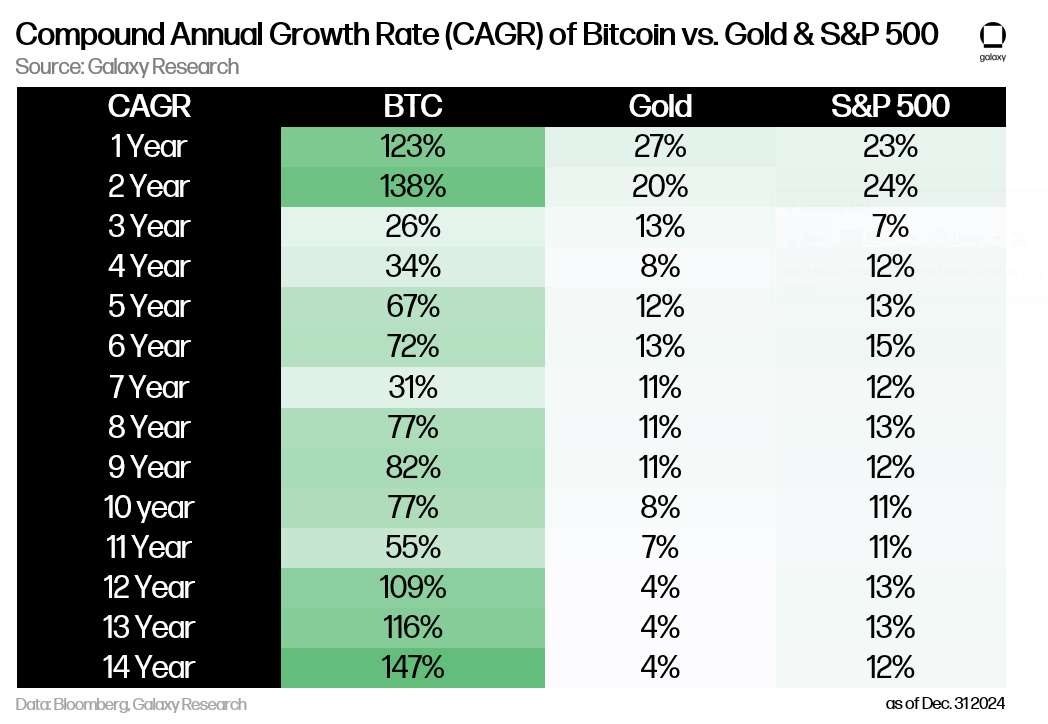
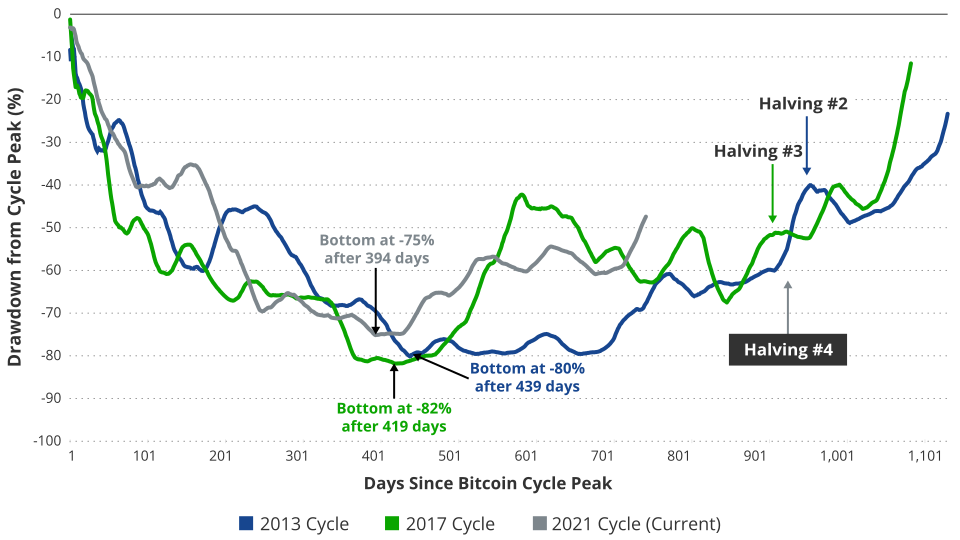
Price predictions are cheap; capital loss is expensive. Before allocating funds for a mid-cycle rally, verify the structural integrity of your thesis. A forecast is only as good as the data feeding it. Use this checklist to filter out noise and identify where the real risk lies.

Plan for ownership costs
A low entry price rarely means low total cost. In crypto, ownership costs come from three places: network fees, hardware maintenance, and exchange or custodial fees. If you ignore these, the "cheap" asset can quickly become expensive to hold.
Network and transaction fees
Every time you move or swap tokens, you pay gas or transaction fees. On congested networks like Ethereum, these can spike during market rallies. If you trade frequently, these fees eat into profits. Layer-2 solutions or alternative chains often offer lower fees but may introduce complexity or liquidity risks.
Hardware and security costs
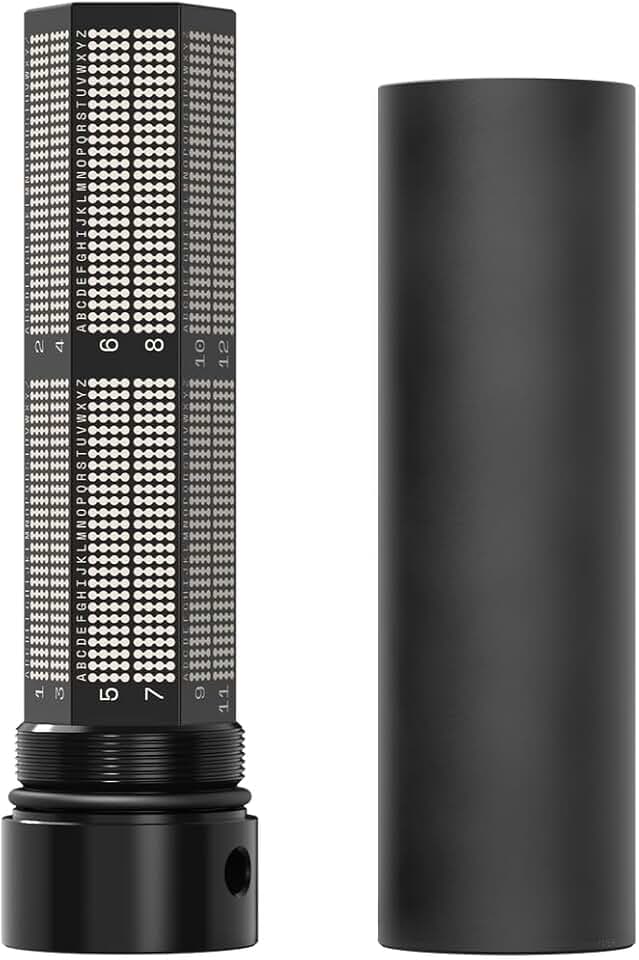
Storing crypto securely requires hardware wallets, seed phrase backups, and potentially multi-signature setups. These are upfront costs that add up. Forgetting to replace a failing hardware wallet or losing a seed phrase can result in total loss. Security is not optional; it is a recurring operational cost.
Exchange and custody fees
If you hold assets on an exchange, watch for withdrawal fees, inactivity fees, or margin rates. Custodial services charge management fees for larger balances. These hidden costs compound over time, especially in a mid-cycle rally where you might rebalance or take profits more often.


As an Amazon Associate, we may earn from qualifying purchases.
When a cheap buy stops being cheap
A coin under $1 might seem affordable, but if it requires constant monitoring, high gas fees, or expensive hardware to secure, the total cost of ownership rises. Calculate the full lifecycle cost before buying. A slightly more expensive asset with lower fees and easier security may be the smarter long-term hold.
Crypto predictions 2026: what to check next
Here are the practical answers to the most common questions about the mid-cycle rally, based on current market outlooks and historical patterns.
What crypto will boom in 2026?
Most institutional forecasts point to Bitcoin and Ethereum as the primary beneficiaries of the 2026 cycle. Bitcoin Suisse and other analysts project Bitcoin could approach $180,000 as institutional integration deepens, while Ethereum targets $8,000 due to yield-generating capabilities. Coinbase Institutional Research notes that clearer regulation and ETF flows will likely drive these blue-chip assets, though altcoins with real utility may see volatile spikes.
What is the price prediction for XRP in 2026?
XRP’s trajectory is heavily tied to its legal clarity and cross-border adoption. While some speculative models suggest gains if Ripple secures broader banking partnerships, official price targets remain more conservative than for Bitcoin. Most analysts view XRP as a steady performer rather than a high-growth boom coin in 2026, with prices likely consolidating around current ranges unless major regulatory breakthroughs occur.
Is 2026 a good year to buy crypto?
Historically, 2026 is considered a mid-cycle year following the 2024-2025 Bitcoin halving. This period often sees sustained growth but with higher volatility than the early post-halving phase. It is a good year for investors who already hold positions or are willing to dollar-cost average into established assets, but it carries more risk than the early stages of the bull run. Expect less "easy money" and more selection-based gains.
What crypto under $1 will explode?
Predicting specific low-cap coins is highly speculative, but sectors like DePIN (Decentralized Physical Infrastructure), RWA (Real World Assets), and AI-integrated tokens are watching closely. Coins like Cardano (ADA) or Polkadot (DOT), which often trade under $1, may see renewed interest if their ecosystems deliver on scalability and partnership promises. However, beware of micro-cap coins with no revenue; the 2026 rally favors projects with actual usage, not just low prices.
No comments yet. Be the first to share your thoughts!