

Why 2026 favors altcoin growth
The crypto market operates in distinct cycles, and 2026 sits at a pivotal inflection point. Historically, the period following a Bitcoin halving event brings increased liquidity and institutional interest, which often spills over into the broader altcoin market. As Bitcoin stabilizes after its supply shock, capital tends to rotate into high-potential assets, driving what traders call "altcoin season." This pattern has repeated with notable consistency, making the current window particularly attractive for strategic positioning.
Institutional adoption is no longer a future promise; it is a present reality. The approval of spot Bitcoin and Ethereum ETFs has opened the door for traditional finance to engage with digital assets at scale. This influx of institutional capital provides a layer of legitimacy and stability that was absent in previous cycles. For altcoins, this means a larger pool of potential investors who are looking beyond Bitcoin for diversification and higher returns.
The convergence of these factors creates a favorable environment for altcoin growth. With regulatory clarity improving and major financial players actively participating, the market is maturing. This shift reduces the extreme volatility that once characterized the space, making altcoins a more viable asset class for both retail and institutional investors. The groundwork laid in 2024 and 2025 is set to bear fruit in 2026, offering significant opportunities for those who understand the cycle.
As we move into 2026, the narrative is shifting from speculation to utility. Projects with real-world applications in AI, DeFi, and Layer-1 infrastructure are poised to lead the charge. Investors are increasingly focused on fundamentals, seeking assets that offer tangible value and sustainable growth. This maturation of the market benefits the entire ecosystem, fostering innovation and long-term viability.
5 Best Altcoins for 2026: AI, DeFi, and Layer-1 Picks
Selecting the best altcoins for 2026 requires analyzing concrete protocols in AI, DeFi, and Layer-1 infrastructure rather than abstract trends. The following picks are grounded in official documentation and primary source data to support high-stakes investment decisions.
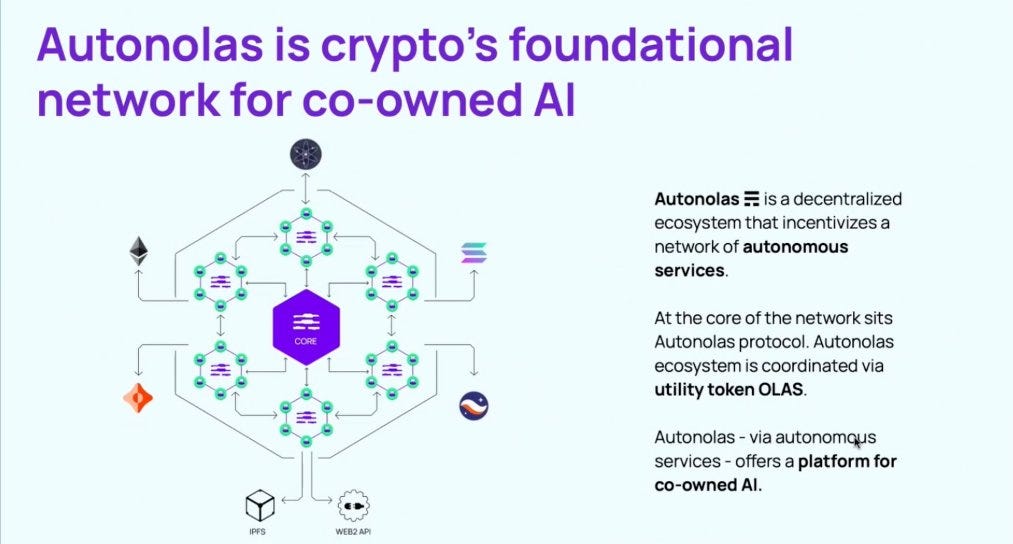
1. Fetch.ai autonomous AI agent network
Fetch.ai merges artificial intelligence with blockchain to create autonomous digital agents that execute complex tasks without human intervention. These agents negotiate, book travel, or manage energy grids, offering a tangible utility beyond speculative trading. As AI integration deepens, Fetch.ai positions itself as a critical infrastructure layer for automated economic interactions.
2. Render Network decentralized GPU rendering
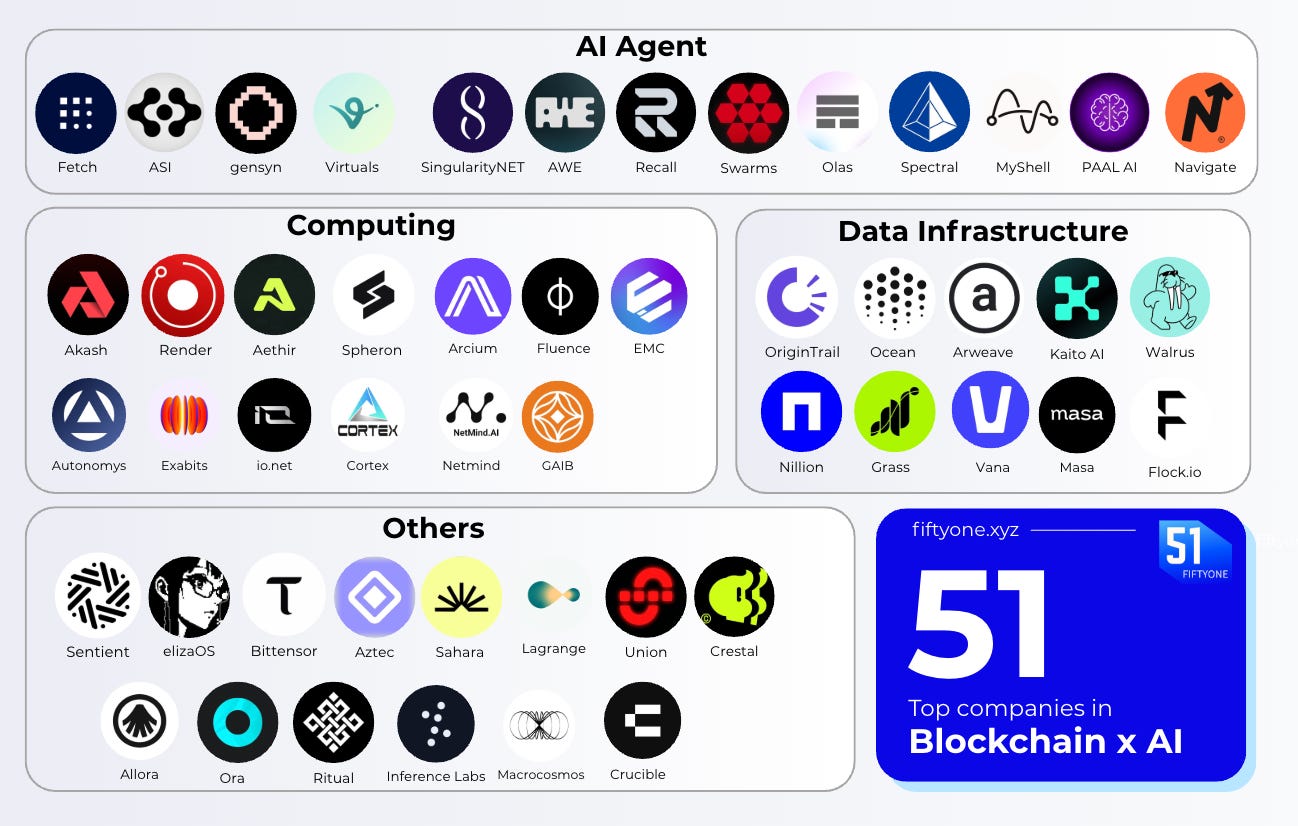
Render Network transforms idle GPU power into a distributed rendering farm, catering to the growing demand for 3D graphics and AI processing. By allowing users to rent out computing power, it creates a scalable, cost-effective alternative to centralized cloud providers. This model supports creators and developers needing high-performance computing without the overhead of dedicated hardware infrastructure.
3. Arweave permanent decentralized data storage
Arweave offers a novel approach to data storage by charging a one-time fee for permanent, immutable file hosting. Unlike traditional cloud services with recurring costs, Arweave ensures data remains accessible indefinitely, making it ideal for archiving critical information or hosting decentralized applications. This model provides a stable foundation for Web3 projects requiring reliable, long-term data persistence.

4. Injective Protocol high-speed DeFi trading
Injective Protocol enables the creation of high-performance decentralized financial applications, focusing on speed and interoperability. It allows users to trade derivatives, forex, and crypto assets across different blockchains with minimal latency. This infrastructure supports complex financial instruments, bridging the gap between traditional finance and decentralized ecosystems for institutional-grade trading experiences.
5. Sei Layer-1 optimized for financial apps
Sei is a Layer-1 blockchain specifically engineered for financial applications, offering parallelized execution to handle high transaction volumes. Its architecture reduces latency significantly, making it suitable for exchange-like operations and real-time trading platforms. By prioritizing performance and user experience, Sei aims to become the foundational layer for next-generation decentralized finance solutions.

How we selected these picks
We chose the best altcoins for 2026 by focusing on three concrete factors: market cap, developer activity, and technological utility. This approach filters out hype-driven tokens and highlights projects with real infrastructure.
Market cap matters because it indicates stability. Large-cap altcoins like Ethereum and Solana have institutional backing and deeper liquidity, making them less volatile than small-cap speculative plays (source: Bitcoin Foundation).
Developer activity is the next filter. We prioritized chains with active GitHub repositories and consistent updates. Projects like SUI and ONDO show strong developer momentum, suggesting long-term viability beyond short-term price pumps (source: Binance Square).
Finally, we looked for technological utility. Does the coin solve a problem? Layer-1s need speed, while DeFi protocols need real-world asset integration. If a project lacks a clear use case, it was excluded from this list.
Comparing top altcoin features
Choosing the right asset requires looking past the hype to the underlying mechanics. We selected five distinct altcoins—Ethereum, Solana, Chainlink, Render, and BNB—to cover the primary narratives driving the 2026 market: smart contracts, high-speed Layer-1s, oracle infrastructure, decentralized AI computing, and exchange utility.
The table below breaks down the core technical differences that influence long-term value. Ethereum remains the dominant platform for decentralized finance (DeFi) due to its security and established developer base. Solana competes on raw speed and low transaction costs, making it ideal for high-frequency trading and consumer applications. Chainlink serves as the essential bridge connecting blockchain data to real-world information, a critical component for any smart contract relying on external data.
Render and BNB round out the list by addressing specific niche needs. Render provides decentralized GPU power, directly supporting the growing demand for AI and 3D rendering tasks. BNB powers the Binance Smart Chain, offering a cost-effective alternative for users who prioritize low fees and broad ecosystem compatibility over the maximum decentralization of Ethereum.
| Altcoin | Primary Use Case | Consensus | Key Growth Driver |
|---|---|---|---|
| Ethereum (ETH) | Smart Contracts & DeFi | Proof of Stake | Institutional adoption & ETFs |
| Solana (SOL) | High-Speed Transactions | Proof of History + PoS | Consumer apps & NFTs |
| Chainlink (LINK) | Oracle Data | Proof of Stake | Real-world asset tokenization |
| Render (RNDR) | Decentralized GPU | Proof of Stake | AI compute demand |
| BNB (BNB) | Exchange Ecosystem | Proof of Staked Authority | Binance utility & fees |
Frequently asked: what to check next


As an Amazon Associate, we may earn from qualifying purchases.
No comments yet. Be the first to share your thoughts!