

As prediction markets barrel toward a projected trillion-dollar annual volume by decade's end, Kalshi and Polymarket stand out as undisputed volume titans entering 2026. December 2025 etched a new milestone, with Kalshi's trading volume exploding to $6.38 billion, dwarfing Polymarket's performance in a month that redefined prediction markets volume 2025 benchmarks. This wasn't fleeting hype; it capped a year where these platforms amassed over $50 billion combined, snagging 97.5% market share and signaling blockchain's grip on sports betting and elections.
Kalshi's ascent feels inevitable when you unpack the numbers. Its weekly volume for the period ending December 21,2025, hit $2.3 billion - nearly double Polymarket's $1.2 billion in the same frame. Annual figures tell a starker story: Kalshi's $23.8 billion marked a staggering 1,108% year-over-year leap, fueled by TRON network integration for seamless TRX and USDT flows. Sports markets, especially pro football championships, propelled this, with single events topping $65.8 million. Traders flocked here for liquidity and speed, turning kalshi polymarket comparison into a lopsided affair.
Kalshi's December Dominance Redefines Platform Benchmarks
What sets Kalshi apart in this crypto prediction markets growth surge? Strategic expansions into high-liquidity events, paired with blockchain efficiencies, created a feedback loop of volume. While older reports pegged 2025 totals lower - like Forbes' $17.1 billion for Kalshi - fresh data confirms the uptick to $23.8 billion, underscoring how sports prediction markets evolved from niche to juggernaut. Polymarket watchers might argue its decentralized ethos keeps it competitive, but Kalshi's centralized agility won December outright.
2025 Volume Comparison - Kalshi vs Polymarket (97.5% Combined Market Share)
| Platform | Annual Volume | Dec Volume | Weekly Peak | YoY Growth % |
|---|---|---|---|---|
| Kalshi | $23.8B | $6.38B | $2.3B | 1,108% |
| Polymarket | $22B | N/A | $1.2B | N/A |
This table crystallizes the gap. Kalshi didn't just grow; it accelerated, pulling ahead in a sector where every basis point of liquidity counts. For traders eyeing blockchain election betting and beyond, Kalshi's infrastructure hints at scalable edges in 2026.
Polymarket's Steady Climb Amid the Frenzy
Don't count Polymarket out yet. Its estimated $22 billion for 2025 reflects blockchain purists' loyalty, with TVL hovering at $330 million - still tops in some metrics. Weekly updates from industry voices highlight its resilience: $1.82 billion in one frame, trailing Kalshi's $2.59 billion but outpacing challengers like Opinion Labs at $603.8 million. Polymarket's edge lies in crypto-native appeal, drawing DeFi degens to sports prediction markets 2026 without fiat friction.

That tweet captures the pulse - Polymarket as the reliable contender. Yet, as volumes ballooned to record daily highs like $702 million sector-wide, concerns over liquidity strains and insider edges bubbled up. Polymarket's decentralized model mitigates some risks, but Kalshi's volume lead forces a rethink on where alpha hides.
Sports and Blockchain: The Twin Engines of Growth
Dig deeper, and sports emerges as the volume magnet. Pro football and championships didn't just drive Kalshi; they reshaped the ecosystem, with total 2025 volumes hitting $44 billion per some tallies, sports claiming the lion's share. Blockchain trends amplified this: TRON's low-fee deposits unlocked retail floods, while platforms like Predict. fun eyed BNB Chain expansions. In a kalshi polymarket comparison, Kalshi wins on raw throughput, but Polymarket's TVL fortress suggests staying power.
2025 Volume Surge Drivers
- Sports Events: Football championships drove $65.8M+ in volume, dominating trading activity.

- TRON/USDT Integrations: Kalshi's TRON network support for TRX/USDT deposits boosted accessibility and volumes.

- Decentralized TVL Growth: Polymarket hit $330M TVL, OPINION $155M, fueling liquidity and user confidence.
- Election Hype Spillover: 2024 election momentum carried into 2025, sustaining high engagement.

- Low-Fee Blockchain Scaling: TRON and BNB Chain enabled cost-efficient scaling for platforms like Kalshi and Predict.fun.
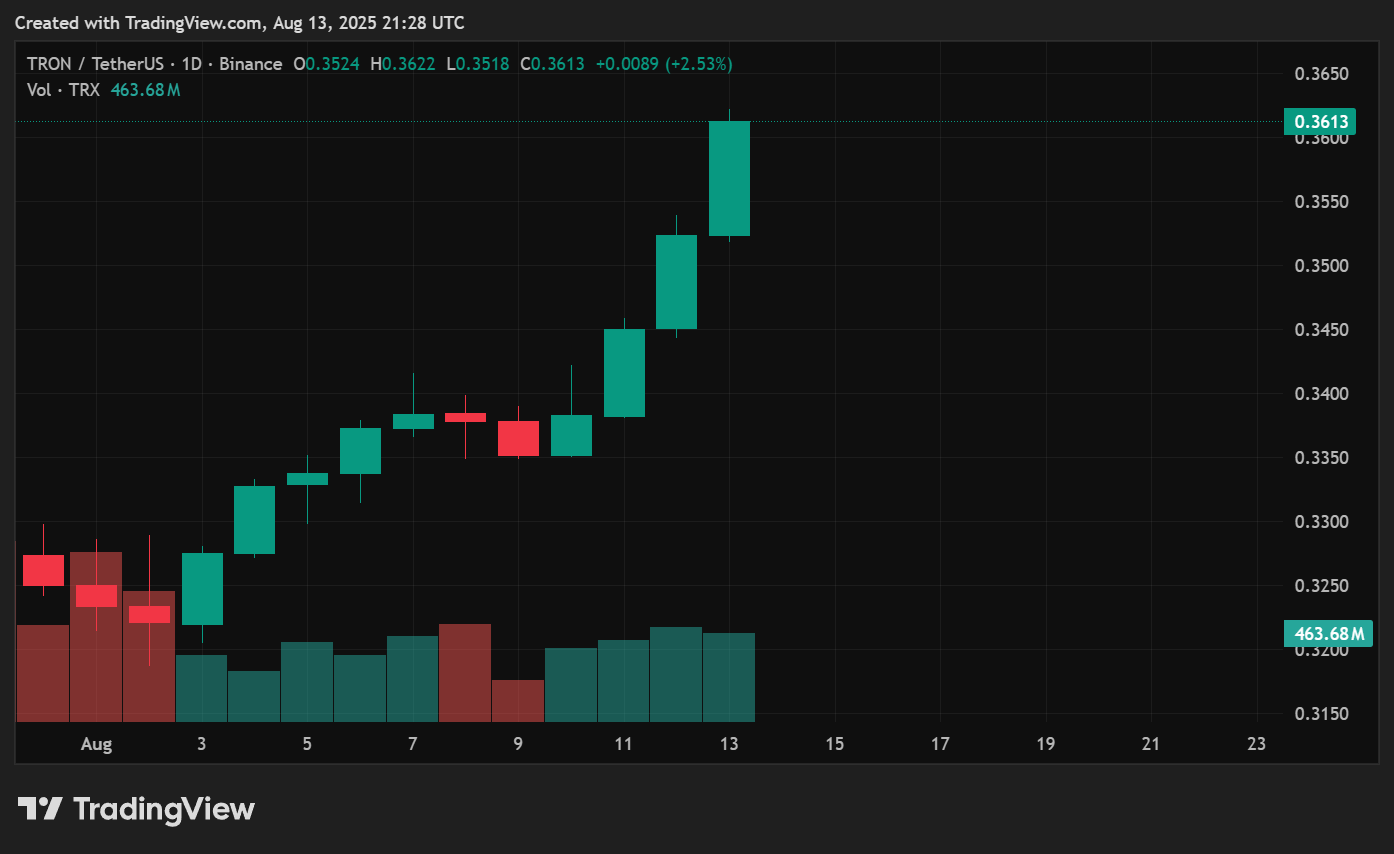
These drivers didn't operate in isolation. Sports events pulled in casual bettors, while TRON integrations lowered barriers for crypto users, creating a virtuous cycle that propelled crypto prediction markets growth into overdrive. Election spillover from 2024 kept macro markets humming, but football championships proved the real volume killer, with single games eclipsing $65.8 million. Platforms ignoring this mix risk fading fast.
Challengers in the Shadow of Giants
While Kalshi and Polymarket command 97.5% of the pie, underdogs like Opinion Labs and Predict. fun stir the pot. Opinion clocked $603.8 million in peak weeks, nipping at heels with innovative twists on social prediction layers. Predict. fun, fresh off YZi Labs incubation on BNB Chain, eyes niche expansions that could chip away at sports dominance. Yet their volumes - sub-$1 billion annually - highlight the moat: liquidity begets liquidity. Traders splitting bets across platforms dilute edges; concentrate where depth lives.
Yahoo Finance flagged risks as volumes spiked to $702 million daily records: liquidity crunches and insider whispers. Polymarket's blockchain transparency counters this better than Kalshi's speed, but neither is immune. For 2026, watch how these challengers leverage DeFi hooks to climb. A tier list comparison would rank Kalshi S-tier for throughput, Polymarket A-tier for trustless bets.
Challenger Volumes vs Leaders
| Platform | Peak Weekly Volume | Est. Annual Share |
|---|---|---|
| Kalshi | $2.59B | 47% |
| Polymarket | $1.82B | 34% |
| Opinion Labs | $603.8M | 11% |
| Predict. fun | $220.3M | 4% |
This snapshot reveals the long tail. Leaders feast, but blockchain's permissionless nature invites disruptors. Smart traders hedge across tiers, capturing alpha from underdog surges without abandoning proven volume.
2026 Horizon: Blockchain Trends Fueling the Next Leap
Gazing into 2026, prediction markets won't just scale; they'll morph under blockchain's evolving playbook. Tokenization of real-world assets promises tokenized sports contracts and election futures, injecting physical liquidity into digital bets. AI-blockchain fusion could sharpen oracle accuracy, minimizing disputes in high-stakes sports resolutions. Regulatory headwinds loom - think CFTC guardrails - but clarity might unlock institutional inflows, stabilizing blockchain election betting.
DeFi's sprawl integrates prediction slips as collateral, birthing yield-bearing positions on football outcomes or macro turns. User experience upgrades - zero-knowledge proofs for privacy, layer-2 scaling - erase friction, onboarding normies to crypto prediction markets. Kalshi's TRON pivot previews this; Polymarket's Polygon roots position it for AI enhancements. The trillion-dollar prophecy from Eilers and Krejcik hinges on these shifts.
Strategically, treat platforms as options portfolios. Kalshi offers delta-one exposure to volume pops, ideal for directional sports plays. Polymarket suits volatility trades, where decentralized edges shine amid regulatory fog. Combined 2025 haul over $50 billion - Kalshi's $23.8 billion crushing Polymarket's $22 billion - forecasts a duopoly evolving into an oligopoly. December's $6.38 billion Kalshi blowout versus Polymarket's steadier pace underscores: bet on momentum, but diversify for black swans.
Volume leaders entering 2026 aren't static trophies. They're battle-tested engines, propelled by sports frenzy and blockchain ingenuity. Traders who map these trends onto personal stacks will thrive; the rest chase echoes. Volatility here isn't noise - it's the signal for outsized returns.



No comments yet. Be the first to share your thoughts!