

How Blockchain Improves Transparency and Security in Election Prediction Markets

Blockchain technology is fundamentally reshaping how election prediction markets operate, addressing the persistent issues of transparency, security, and trust that have long challenged both traditional betting platforms and election forecasting. As the stakes of political outcomes continue to rise, so too does the demand for a system that guarantees integrity at every step. Decentralized prediction markets powered by blockchain are delivering just that – a paradigm shift in how we collectively forecast and trade on election results.

Why Traditional Election Prediction Markets Fall Short
Conventional election prediction markets have been plagued by several critical flaws. Centralized control often leaves participants vulnerable to opaque decision-making, delayed settlements, and even manipulation. High transaction fees and geographic restrictions further limit accessibility, excluding many potential users from participating in global events. Most importantly, the lack of a transparent, immutable audit trail undermines confidence – especially when real money and public sentiment are at stake.
These pain points have become even more pronounced in an era of heightened concern over election interference and data integrity. According to the Brookings Institution, “the transparent nature of blockchain allows for real-time monitoring of market activities, fostering trust among participants” – a feature that is sorely missing from legacy systems.
How Blockchain Delivers Unprecedented Transparency
At the heart of blockchain election prediction markets is the decentralized ledger: an open, tamper-resistant database where every trade and outcome is permanently recorded. Platforms like Polymarket and Augur leverage this technology to let users buy and sell shares on political outcomes, with every transaction visible on-chain for anyone to audit. This public record eliminates the possibility of backroom deals or post-hoc data manipulation.
Smart contracts – self-executing code on the blockchain – automate market settlements. When an election outcome is finalized, these contracts instantly release payouts to winning traders based on verifiable external data. This eliminates delays and removes human intermediaries, ensuring that results are settled fairly and efficiently.
The Security Edge: Why Blockchain Is Hard to Compromise
Security is paramount in any system dealing with high-value bets and sensitive political outcomes. Blockchain’s cryptographic hashing and consensus mechanisms provide robust safeguards against fraud and unauthorized changes. Every transaction must be validated by a distributed network of nodes before being added to the ledger, making it virtually impossible for any single actor to alter or reverse trades.
This level of security is especially crucial during contentious or high-profile elections, where the integrity of prediction markets can be tested by both internal and external threats. By design, blockchain makes unauthorized alterations not only difficult but economically irrational – an essential deterrent against manipulation.
Top 5 Ways Blockchain Boosts Election Prediction Markets
-
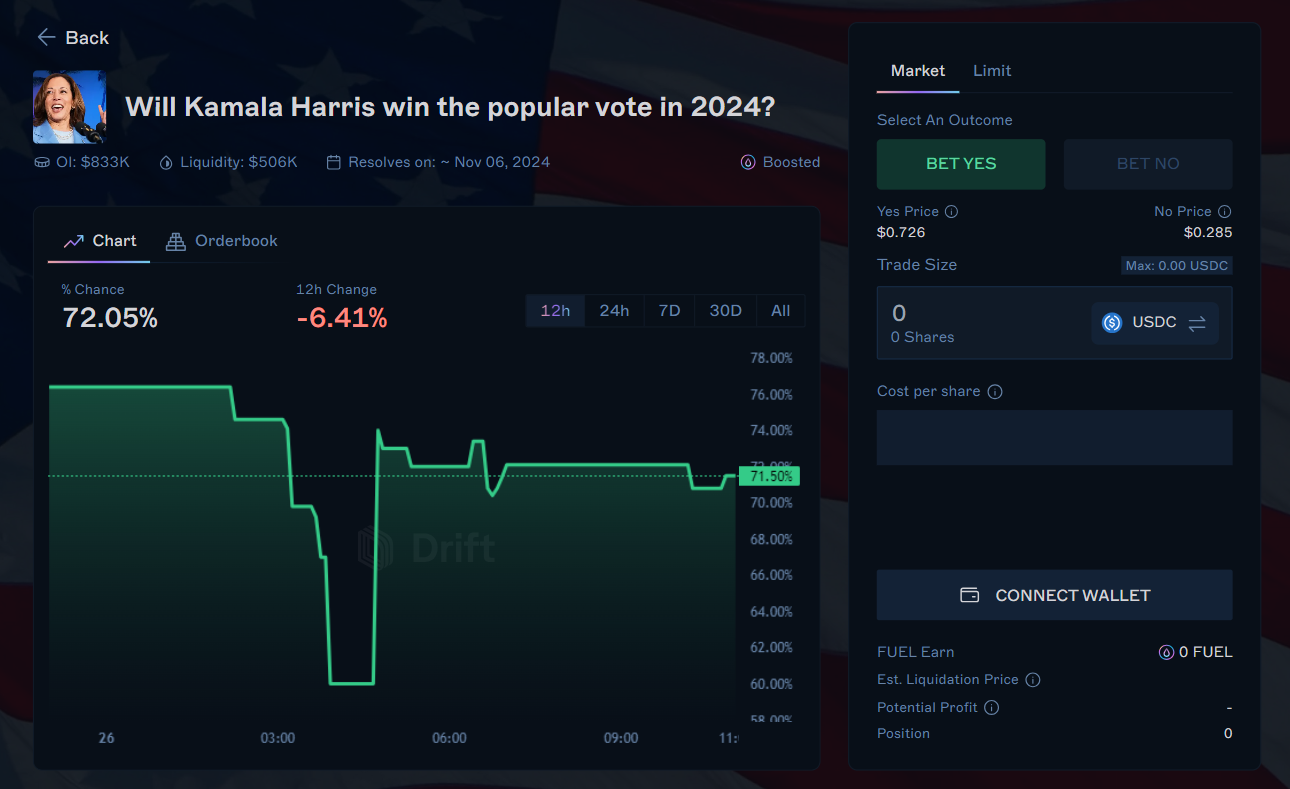
Immutable Public Ledger: All transactions on platforms like Polymarket and Augur are recorded on a decentralized, tamper-proof blockchain ledger, ensuring full transparency and auditability for every trade and outcome.
-

Smart Contract Automation: Smart contracts on blockchains such as Ethereum and Polygon automatically execute trade settlements and payouts based on verified election results, reducing human error and bias.
-
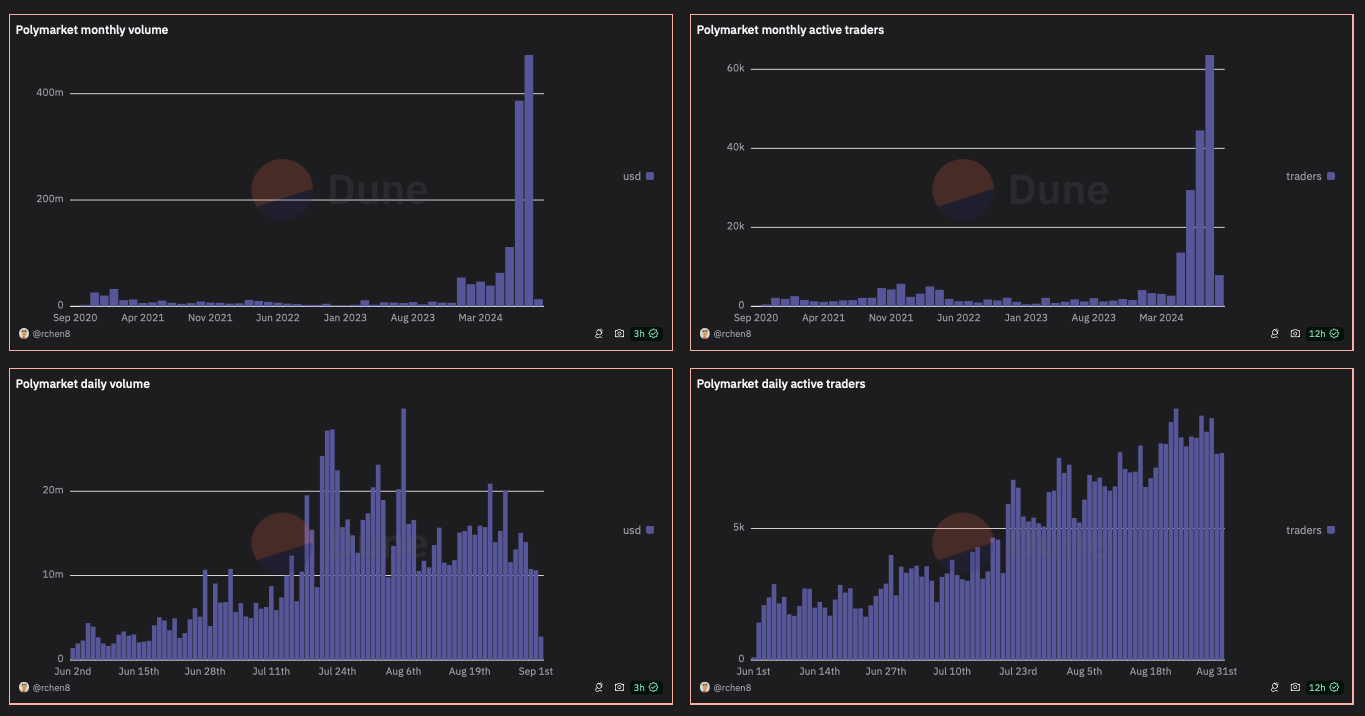
Decentralized Market Structure: By removing central authorities, decentralized prediction markets prevent single points of failure and manipulation, fostering a more secure and trustworthy environment for election forecasting.
-

Real-Time Transparency: Blockchain’s open architecture allows anyone to monitor market activity in real time, increasing trust among participants and enabling immediate detection of suspicious behavior.
-

Robust Security Measures: Features like cryptographic hashing and consensus mechanisms protect market data from unauthorized changes, ensuring the integrity and security of election predictions.
Real-World Adoption: Platforms Leading the Charge
The impact of blockchain on election prediction markets isn’t theoretical – it’s already happening. Polymarket, for example, operates on the Polygon blockchain (part of the Ethereum ecosystem), offering a transparent and efficient marketplace for event-based trading. Every trade is recorded on-chain, and users can verify market activity in real time. Augur has similarly pioneered decentralized crypto election betting, using smart contracts to automate settlements and minimize human bias.
These platforms not only enhance transparency but also expand accessibility by allowing anyone with an internet connection and crypto wallet to participate in global event forecasting. This democratization of access is a core reason why blockchain-powered prediction markets are rapidly gaining traction among both retail users and institutional analysts.
Still, it’s important to recognize that while blockchain offers substantial improvements, it is not a panacea. Critics have pointed out that no technology can fully eliminate all risks, especially those tied to off-chain data feeds (oracles) and the potential for regulatory uncertainty. Nonetheless, the open architecture of decentralized election prediction markets means that flaws are visible and can be addressed transparently, unlike in closed, centralized systems where errors or manipulation may remain hidden.
Another major advantage is speed and efficiency. Traditional platforms often require days, or even weeks, to settle bets after an election, as outcomes are verified and disputes resolved. On blockchain-based systems, smart contracts execute payouts automatically once results are confirmed by a trusted oracle. This not only reduces overhead but also provides immediate clarity to participants, enabling continuous market liquidity and engagement.
Why Crypto Election Betting Is Gaining Momentum
Crypto-native prediction markets have opened the doors to a new era of global participation. With minimal barriers to entry, users from almost any jurisdiction can trade on election outcomes using cryptocurrencies. This borderless access not only increases liquidity but also aggregates a more diverse set of opinions, potentially leading to more accurate forecasts.
Moreover, the use of decentralized blockchains means that even in the face of government censorship or platform shutdowns, markets can remain operational. This resilience is critical in countries where political betting is restricted or where trust in centralized institutions is low. Decentralized election betting is now viewed as both a financial instrument and a tool for free expression.
Key Takeaways for the Future of Election Forecasting
The evolution of blockchain election prediction markets signals a broader shift in how societies approach collective forecasting and risk management. By making every trade, outcome, and settlement transparent and secure, these platforms offer an unprecedented level of trust, something that is essential as we head into increasingly polarized and high-stakes elections worldwide.
Top Blockchain Platforms for Secure Election Prediction
-
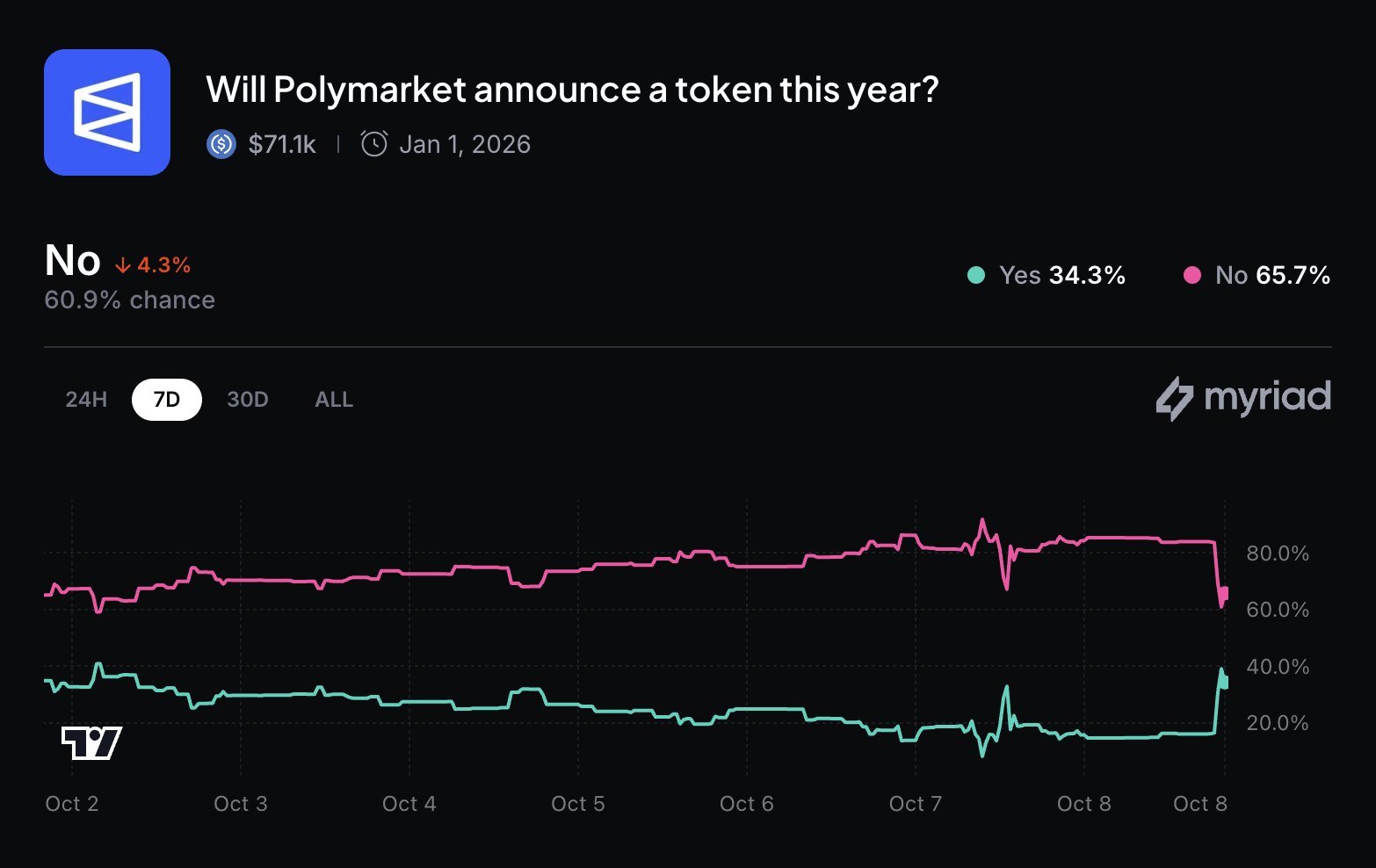
Polymarket: A leading decentralized prediction market platform built on the Polygon blockchain, Polymarket enables users to trade shares on election outcomes with transparent, on-chain records and automated smart contract settlements.
-

Augur: Powered by Ethereum, Augur allows users to create and trade on political event outcomes, leveraging blockchain’s transparency and decentralized consensus to ensure secure and tamper-resistant prediction markets.
-

Gnosis: This platform offers prediction market infrastructure on Ethereum, supporting secure, decentralized forecasting for elections and other events, with a focus on open access and transparency.
-

Omen: Developed by the DXdao community, Omen is a decentralized application on Ethereum for creating and trading prediction markets, including those focused on election results, with all trades and outcomes recorded on-chain.
For crypto enthusiasts and political observers alike, the message is clear: blockchain is not just a technological upgrade, but a fundamental reimagining of what transparency and security can look like in the world of election prediction. As adoption accelerates, expect to see even more innovative features, such as advanced privacy layers, decentralized dispute resolution, and cross-chain interoperability, further enhancing the integrity and reach of these markets.
To dive deeper into the mechanics and current market data behind these innovations, check out this detailed analysis on Polymarket: one of the leaders in decentralized event-based trading.