

2026 US Midterm Prediction Markets: Blockchain Odds vs Polls for Senate Flips

As the 2026 U. S. midterm elections loom, prediction markets on blockchain platforms like Kalshi and Polymarket are lighting up with bets on Senate control, offering a sharper lens than traditional polls. Republicans currently hold a 53-47 majority, but with several Democratic seats up for grabs, the question of flips hangs heavy. Kalshi’s market pegs the odds at 68% for Republicans retaining control and 29% for Democrats gaining the majority, reflecting trader sentiment amid shifting political winds.

Blockchain Odds Signal GOP Resilience
Prediction markets aggregate collective wisdom through real money at stake, often outpacing polls in accuracy. On Kalshi, the Republican and quot;Yes and quot; contract trades at levels implying a solid 68% probability of holding the Senate, while Democrats sit at 29%. Polymarket echoes this tilt in its and quot;Balance of Power: 2026 Midterms and quot; market, where real-time odds as of December 5,2025, favor the GOP. These 2026 midterm prediction markets incorporate not just polls but economic indicators, candidate announcements, and grassroots momentum, making them a dynamic barometer for blockchain senate betting 2026.
Current Odds for 2026 U.S. Senate Control
| Platform | GOP Odds | Dem Odds | Volume |
|---|---|---|---|
| Kalshi | 68% | 29% | N/A |
| Polymarket | GOP favored | – | N/A |
| PredictIt | GOP lean | – | N/A |
This isn’t blind optimism. Republicans defend 20 seats, mostly safe, while Democrats protect 14, including vulnerabilities in Michigan, Minnesota, and New Hampshire due to retirements. Senator Gary Peters’ exit in Michigan opens a Trump-won state in 2024, tilting it toward competitiveness. Yet markets dismiss a full Democratic wave, pricing in President Trump’s coattails and midterm backlash patterns.

Contrast this with early polls: In Georgia, Jon Ossoff leads challengers like Buddy Carter by slim margins, yet markets factor in turnout models that polls often miss. Prediction platforms like PredictIt and electionbettingodds. com show similar GOP leans, underscoring why polymarket senate odds 2026 merit attention over snapshot surveys.
Battlegrounds Primed for Senate Flips
Focus sharpens on a handful of races that could dictate control. Michigan’s open seat post-Peters retirement draws heavy crypto election betting senate flips, with Polymarket analytics highlighting candidate matchups in a battleground Trump narrowly carried. Minnesota’s Tina Smith and New Hampshire’s Jeanne Shaheen stepping aside creates pickup opportunities for Republicans, who need just a few net gains to expand their edge.
Top 2026 Senate Battlegrounds
-
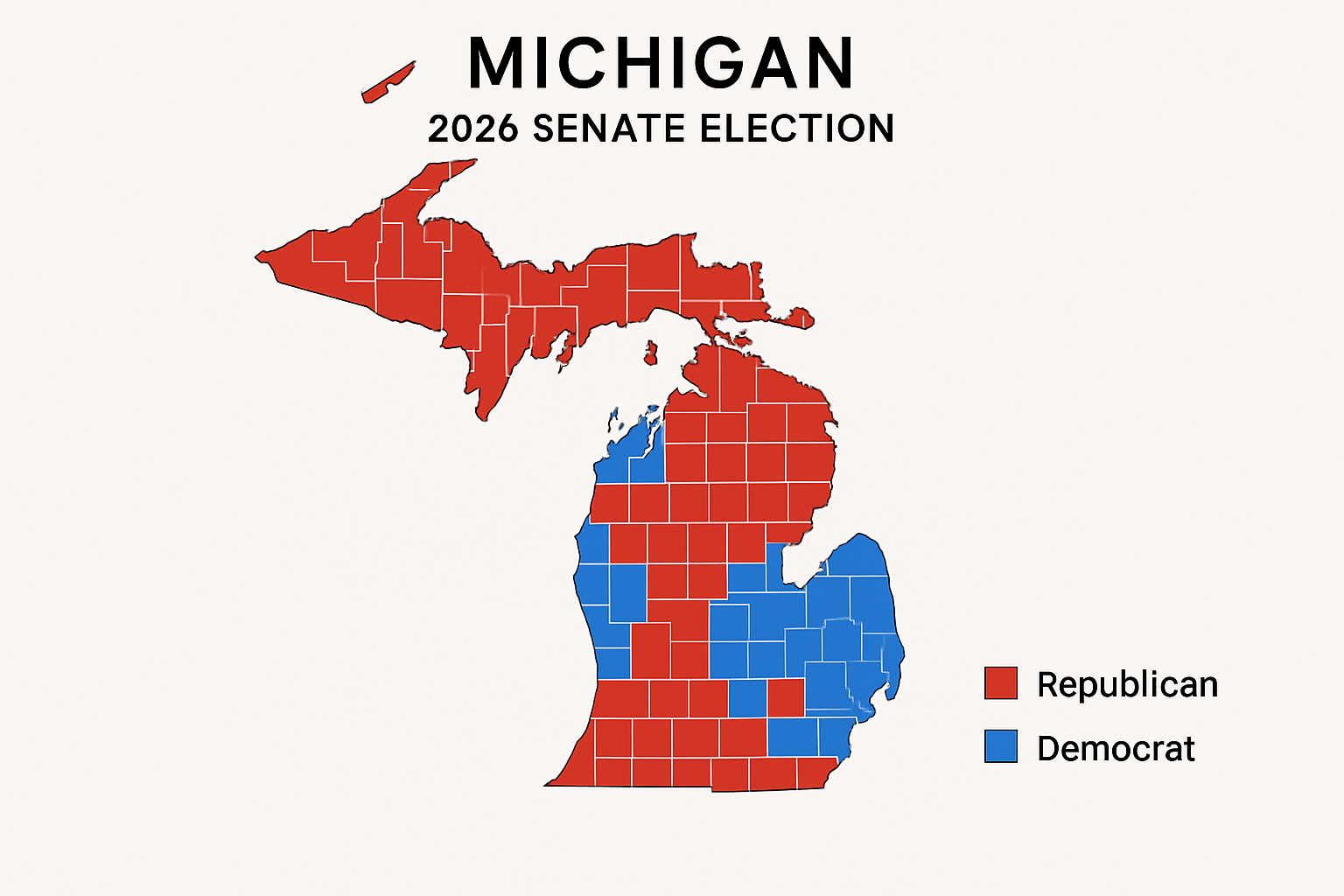
Michigan: Open seat after Gary Peters’ retirement; state narrowly voted Trump in 2024, creating GOP lean and Polymarket market.
-

Georgia: Jon Ossoff (D) vs. GOP challengers like Buddy Carter, Mike Collins; polls show narrow leads.
-
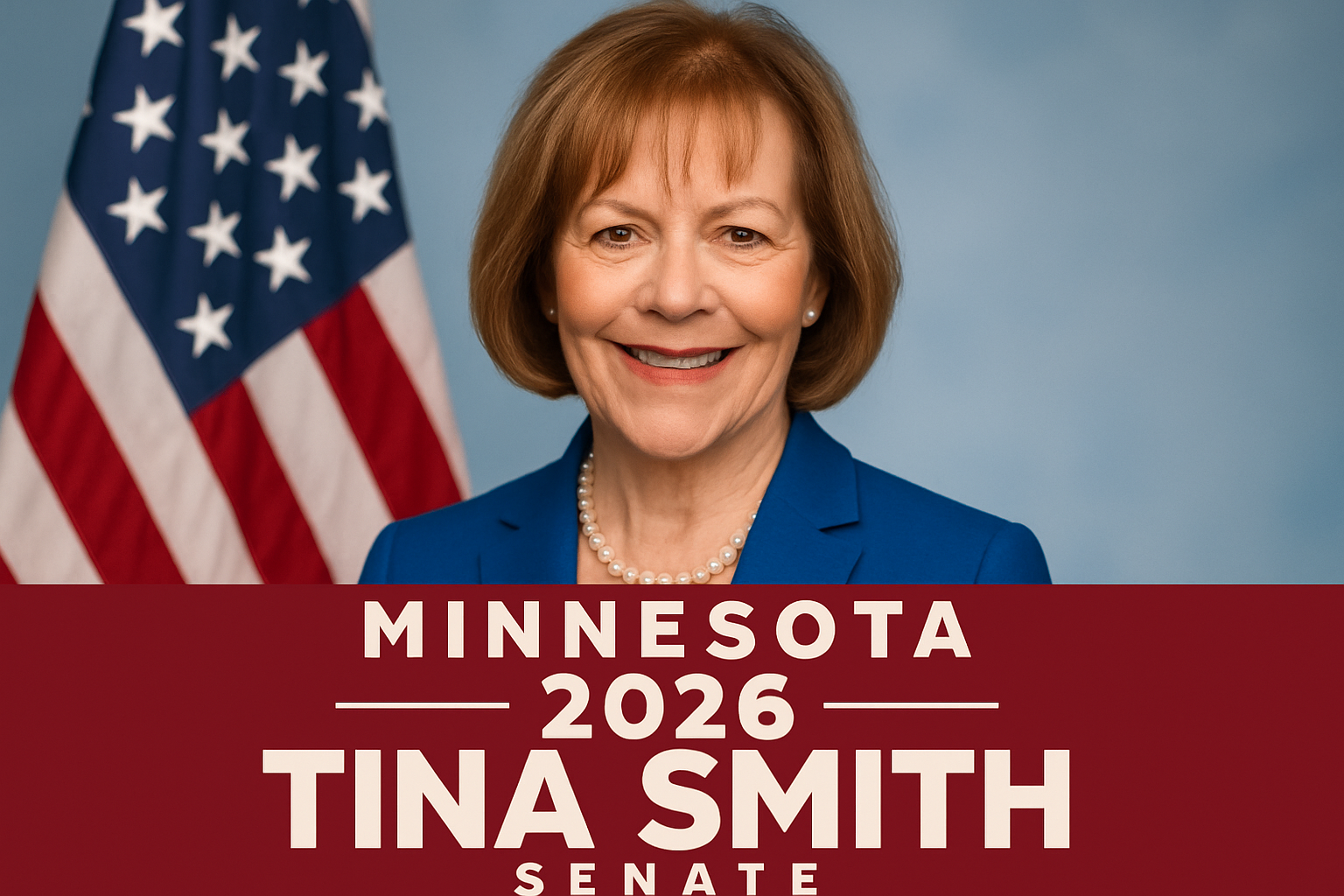
Minnesota: Open seat due to Tina Smith’s retirement, increasing competitiveness.
-
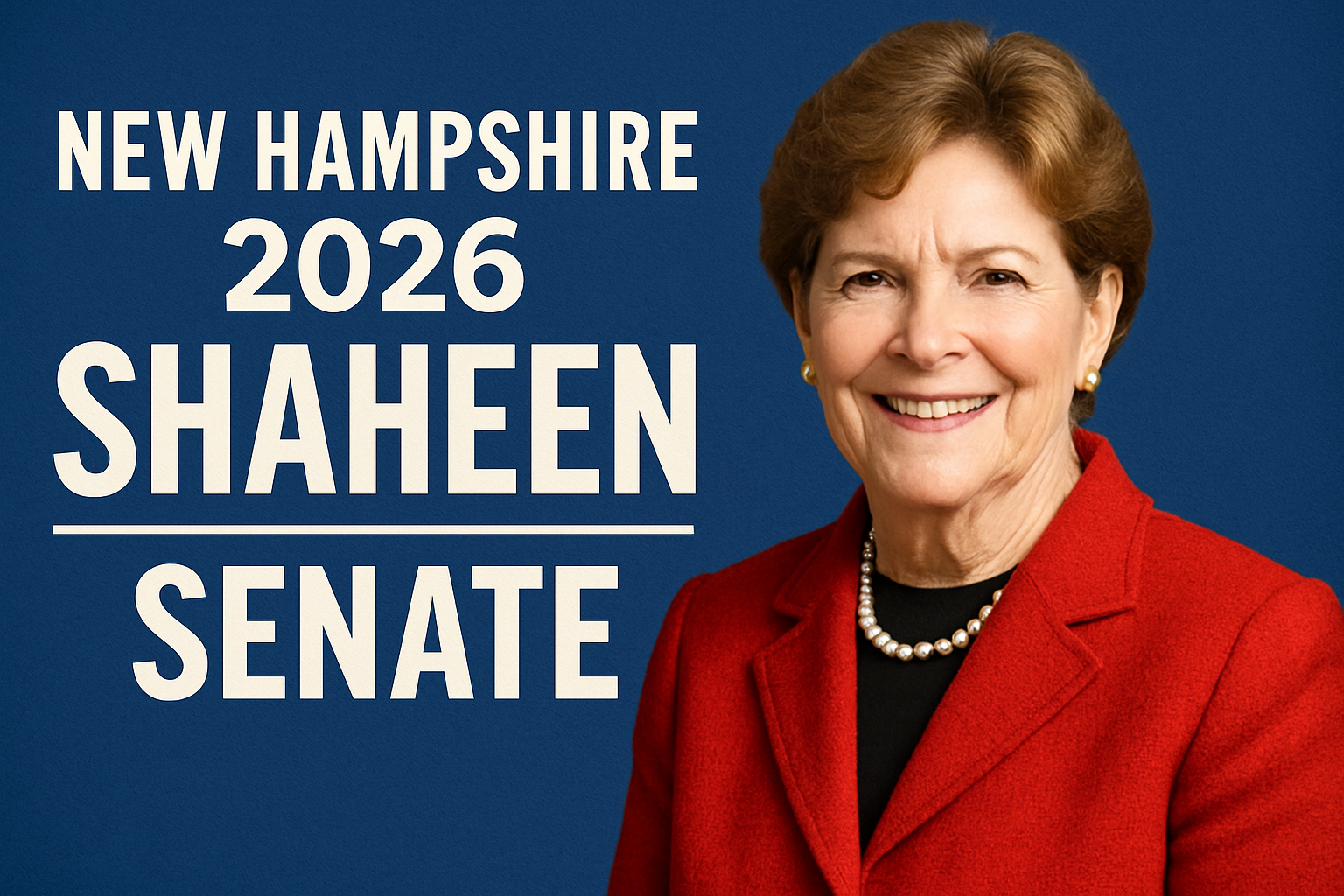
New Hampshire: Open following Jeanne Shaheen’s retirement; vulnerable battleground.
-
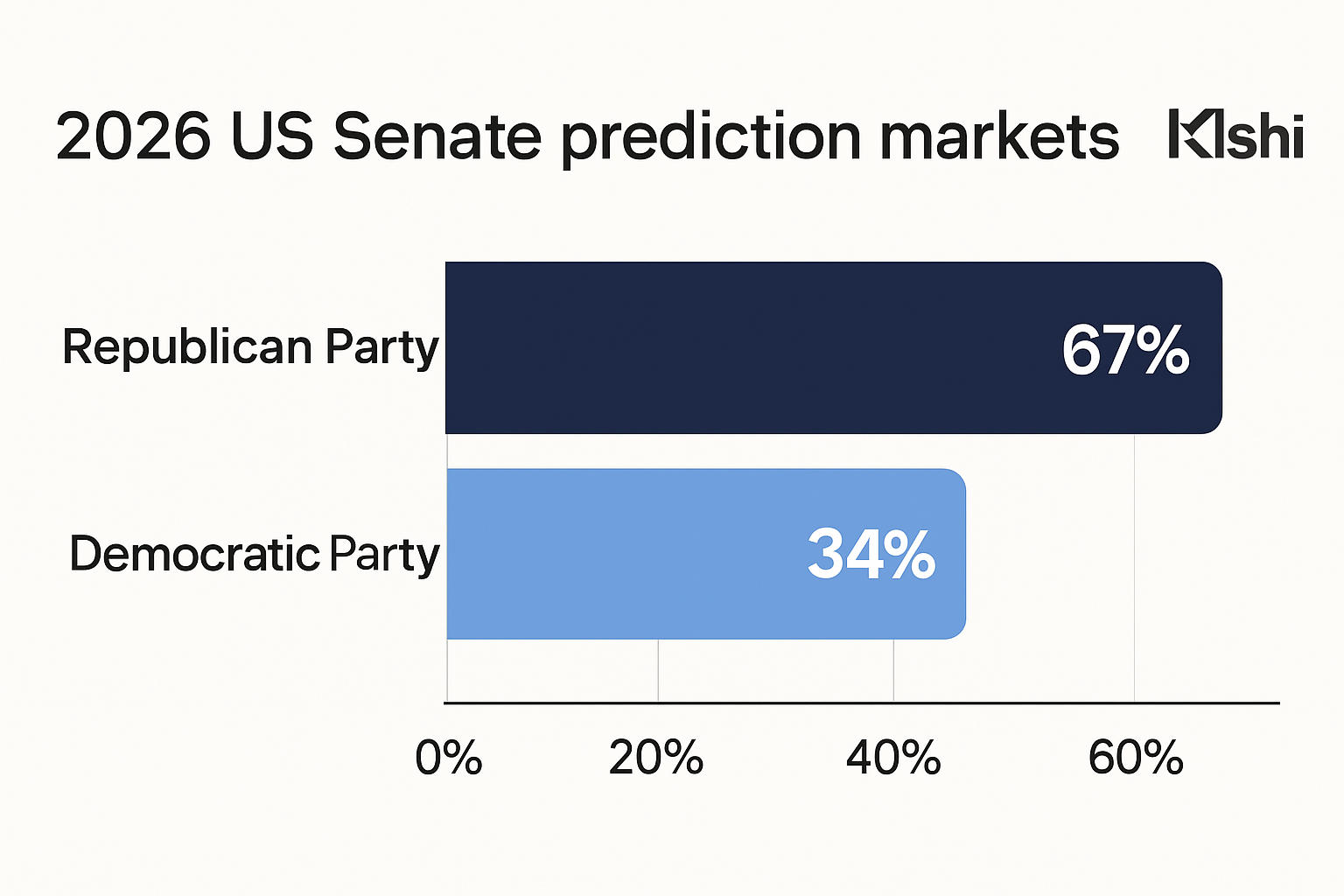
Other toss-ups: Markets like Kalshi show 68% GOP Senate retention odds, 29% for Dems.
The Republican National Senatorial Committee, under Tim Scott, targets 55 seats, betting on enthusiasm gaps. Markets price these dynamics precisely: A Georgia flip might trade at 40-50 cents on Polymarket, signaling upside but not inevitability. This granular pricing beats broad poll averages, which lump states into generics.
Investors in these event markets midterms aren’t just spectators; they’re shaping narratives. High-volume trades on Kalshi’s Senate contract resolve via Library of Congress verification, ensuring trust. As volumes swell, expect tighter spreads and faster reactions to news like endorsements or scandals.
Why Markets Outthink Polls in Midterm Forecasting
Polls capture snapshots; prediction market odds evolve continuously. Traditional surveys in Georgia show Ossoff ahead, but blockchain bets discount that, incorporating 2024’s Trump surge and midterm voter fatigue. Kalshi’s 68% GOP hold probability absorbs these layers, while polls hover around toss-ups.
Historical edges bolster the case: In past cycles, platforms like PredictIt nailed outcomes where polls faltered. For 2026, this divergence hints at overpriced Democratic hopes. Traders wagering crypto on Polymarket’s Senate winner markets enforce discipline, weeding out noise. As retirements mount, watch Michigan most closely; its Polymarket analytics could foreshadow a GOP sweep.
Navigating these waters demands blending market signals with fundamentals. The 29% Democratic shot on Kalshi isn’t zero, but it underscores the uphill climb amid open seats favoring challengers.
Retirements amplify this asymmetry. Michigan’s vacancy after Gary Peters bows out turns a lean-Democratic seat into a prime target, especially post-Trump’s 2024 edge there. Polymarket analytics for the Michigan Senate winner already pulse with early bets favoring Republicans, pricing GOP candidates above 55 cents in nascent contracts. Minnesota and New Hampshire follow suit, with open contests that polls rate as competitive but markets shade red due to incumbency voids and regional shifts.
Cross-Platform Odds Breakdown
Dissecting the data reveals consensus with subtle divergences. Kalshi’s regulated contracts lead with high liquidity, pinning Republicans at a firm 68% to retain while Democrats linger at 29%. Polymarket, blockchain-native and crypto-fueled, mirrors this in its Balance of Power market, where GOP control trades at premiums signaling similar conviction as of December 5,2025. PredictIt rounds out the trio with GOP leans in its 2026 Senate control market, though volumes trail the decentralized giants.
USDC Stability vs Major Cryptocurrencies: 6-Month Performance in Prediction Market Context
Real-time price comparison amid blockchain prediction markets like Kalshi (GOP retain 68%), Polymarket, and PredictIt for 2026 Senate control
| Asset | Current Price | 6 Months Ago | Price Change |
|---|---|---|---|
| USD Coin (USDC) | $0.9999 | $0.9999 | +0.0% |
| Bitcoin (BTC) | $89,179.00 | $96,818.46 | -7.9% |
| Ethereum (ETH) | $3,019.33 | $1,837.27 | +64.4% |
| Tether (USDT) | $1.00 | $1.00 | +0.0% |
| Polygon (POL) | $0.1191 | $0.1883 | -36.7% |
| Gnosis (GNO) | $124.53 | $132.72 | -6.2% |
| Uniswap (UNI) | $5.50 | $5.81 | -5.3% |
| Solana (SOL) | $132.35 | $149.66 | -11.6% |
Analysis Summary
Stablecoins USDC and USDT maintain perfect peg stability at ~$1.00 over six months, ideal for prediction market trading on platforms like Polymarket and Kalshi. Ethereum bucks the trend with a +64.4% surge, while Bitcoin (-7.9%) and altcoins like Polygon (-36.7%) decline amid market volatility.
Key Insights
- USDC and USDT show zero change, underscoring stablecoin reliability for 2026 midterm betting markets.
- Ethereum’s +64.4% gain highlights strong performance in layer-1 ecosystems powering prediction platforms.
- Polygon experiences the steepest decline at -36.7%, reflecting altcoin pressures.
- Bitcoin dips 7.9%, yet remains dominant; GOP-favored markets (Kalshi 68%) align with crypto’s mixed signals.
Real-time data from CoinGecko (USDC, last updated 2025-12-04), TDMM Weekly Market Overview, and EverythingCryptocurrency.com. Changes calculated from exact 6-month historical prices provided.
Data Sources:
- Main Asset: https://www.coingecko.com/en/coins/usd-coin/historical_data
- Bitcoin: https://tdmm.io/insights/wp-content/uploads/2025/05/TDMM-Weekly-Market-Overview-02-May-2025-2.pdf
- Ethereum: https://tdmm.io/insights/wp-content/uploads/2025/05/TDMM-Weekly-Market-Overview-02-May-2025-2.pdf
- Tether: https://tdmm.io/insights/wp-content/uploads/2025/05/TDMM-Weekly-Market-Overview-02-May-2025-2.pdf
- Polygon: https://everythingcryptocurrency.com/crypto-prices/
- Gnosis: https://everythingcryptocurrency.com/crypto-prices/
- Uniswap: https://everythingcryptocurrency.com/crypto-prices/
- Solana: https://tdmm.io/insights/wp-content/uploads/2025/05/TDMM-Weekly-Market-Overview-02-May-2025-2.pdf
Disclaimer: Cryptocurrency prices are highly volatile and subject to market fluctuations. The data presented is for informational purposes only and should not be considered as investment advice. Always do your own research before making investment decisions.
These polymarket senate odds 2026 don’t move in isolation. Spikes follow news cycles, like Tim Scott’s RNSC push for 55 seats, compressing Dem odds further. Traders exploit this granularity, arbitraging across platforms where Kalshi’s fiat rails meet Polymarket’s USDC pools. Volumes on Kalshi’s Library of Congress-resolved contract underscore conviction, dwarfing pollster samples.
Zoom into Georgia: Ossoff clings to poll leads over Buddy Carter or Mike Collins, but event markets midterms bake in GOP turnout edges from 2024. A 40-cent flip contract on Polymarket implies measured upside, not a lock, teaching us markets price probabilities, not headlines.
Polymarket Price Prediction 2026-2031
Forecasts for Polymarket token amid 2026 US Senate midterm prediction market surge (GOP retain at 68% baseline on Kalshi/Polymarket), regulatory shifts, and crypto adoption trends
| Year | Minimum Price | Average Price | Maximum Price | YoY % Change (Avg) |
|---|---|---|---|---|
| 2026 | $1.00 | $2.80 | $5.20 | +133% |
| 2027 | $2.00 | $4.50 | $8.00 | +61% |
| 2028 | $3.00 | $7.00 | $12.50 | +56% |
| 2029 | $4.50 | $11.00 | $20.00 | +57% |
| 2030 | $6.00 | $16.00 | $28.00 | +45% |
| 2031 | $8.50 | $23.00 | $40.00 | +44% |
Price Prediction Summary
Polymarket token is forecasted to experience robust growth from $2.80 average in 2026 to $23.00 by 2031, fueled by elevated volumes in 2026 Senate control markets (68% GOP retain, 29% Dem flip), platform expansions, and alignment with crypto bull cycles, with min/max reflecting bearish regulatory risks and bullish adoption scenarios.
Key Factors Affecting Polymarket Price
- Booming 2026 midterm betting volumes (e.g., GOP 55-seat target, key races in GA, MI, MN, NH)
- Regulatory developments enabling US access (Kalshi competition, CFTC oracle updates)
- Technological upgrades like Polymarket’s rewards/oracle systems and blockchain scalability
- Market share gains vs. polls and platforms like PredictIt, 270toWin
- Broader crypto market cycles and DeFi integration
- Competitive landscape and election outcome volatility influencing liquidity
Disclaimer: Cryptocurrency price predictions are speculative and based on current market analysis.
Actual prices may vary significantly due to market volatility, regulatory changes, and other factors.
Always do your own research before making investment decisions.
Such forecasts empower savvy bettors. Where polls aggregate likely voters, blockchain platforms harness skin-in-the-game incentives, self-correcting biases faster. Electionbettingodds. com aggregates reinforce this, listing GOP at -200 implied odds across books. For crypto election betting senate flips, Polymarket’s analytics dashboard offers edge, tracking whale positions in Michigan that polls ignore.
Strategic Plays in Prediction Markets
Engaging these arenas demands more than gut checks. Start with position sizing: Allocate 1-2% per race, favoring Michigan’s open seat where volatility breeds value. Cross-hedge Kalshi Yes/No with Polymarket state winners to capture flips without overexposure. Monitor volume thresholds; Kalshi surges past $1 million signal conviction, narrowing spreads to pennies.
Democrats aren’t out: A 29% Kalshi price offers asymmetric payout if economic headwinds erode Trump’s glow, or if Ossoff mobilizes urban turnout. Yet history favors the incumbent party in midterms absent waves, and markets quantify that restraint. Blend with macro overlays, Fed pauses or inflation ticks could sway battlegrounds.
Blockchain’s transparency elevates all this. Immutable ledgers on Polymarket ensure no oracle disputes, settling via public records. Low fees and instant liquidity draw crypto natives, amplifying signals over siloed polls. As primaries heat up in 2026, expect Michigan to lead headlines, with odds tightening around GOP frontrunners.
These markets distill chaos into tradable insight, rewarding those who parse probabilities amid noise. With Republicans eyeing expansion and Democrats defending thin ice, the 68-29 Kalshi split captures the tilt. Stake your view on 2026 midterm prediction markets, where collective bets often eclipse expert punditry, forging clarity from electoral fog.