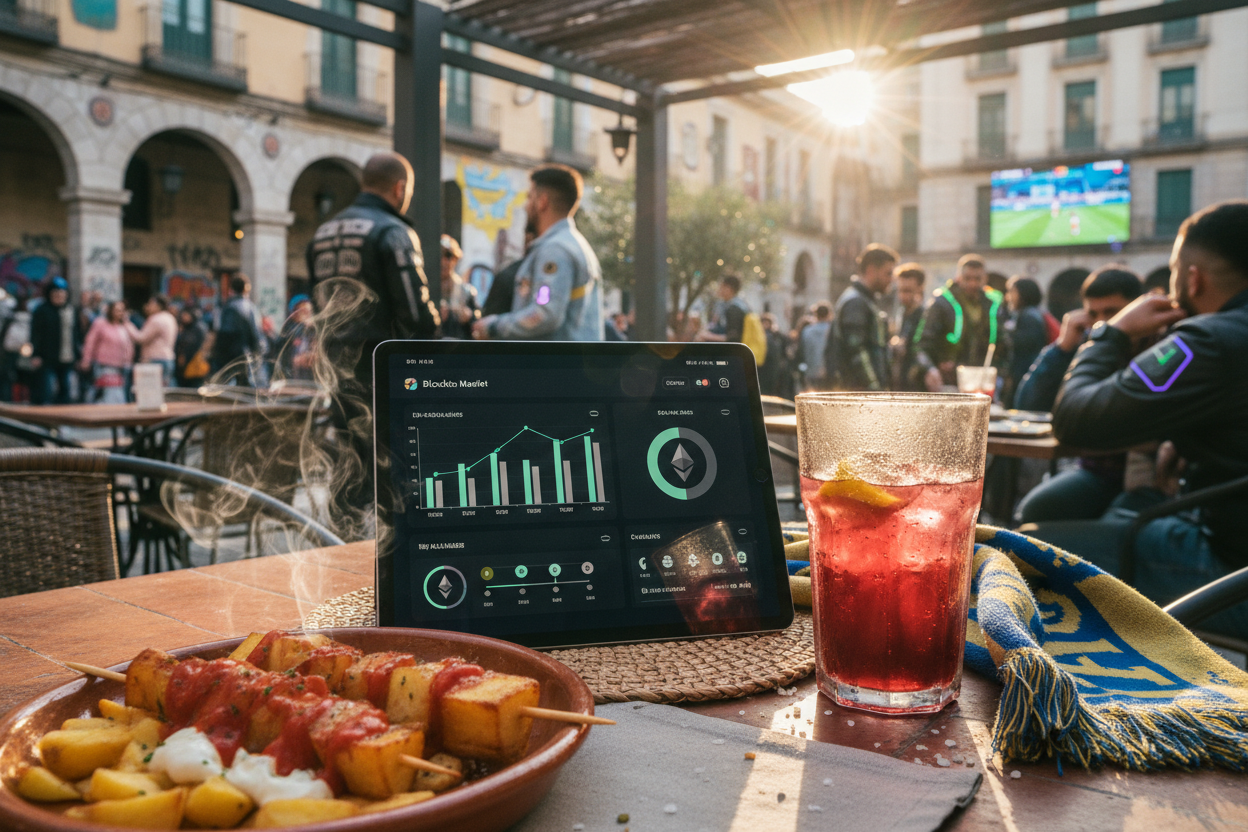

How Crypto Prediction Markets Are Revolutionizing Election Betting in 2025

In the run-up to the 2025 U. S. presidential election, crypto prediction markets have exploded into public consciousness, reshaping how both enthusiasts and institutional players approach political forecasting. What was once a fringe experiment has become a multi-billion-dollar industry, with platforms like Polymarket and Kalshi at the center of this transformation. The integration of their election odds into mainstream finance tools, such as Google Finance, signals not just a technological shift but a cultural one, election betting is now being recognized as a legitimate market indicator.


The Rise of Blockchain Election Betting in 2025
The numbers speak for themselves. By November 2024, Polymarket had processed nearly $4 billion in bets on the U. S. presidential race alone, leveraging the speed and transparency of the Polygon blockchain to attract traders worldwide. Meanwhile, Kalshi, having secured full regulatory approval in the U. S.: has seen its annualized volume skyrocket to an astonishing $50 billion, capturing over 60% of global prediction market activity by mid-2025.
This seismic growth is driven by three core advantages:
- Decentralization: Anyone with an internet connection can participate, bypassing traditional gatekeepers.
- Transparency: Every trade is recorded immutably on-chain, reducing disputes over outcomes.
- Real-Time Pricing: Markets adjust instantly based on new information, far more dynamic than static polling data.
The result? Election betting is no longer relegated to offshore sportsbooks or illicit channels. Instead, it’s becoming a mainstream tool for price discovery and sentiment analysis.
Why Crypto Prediction Markets Outperform Traditional Polls
The accuracy of platforms like Polymarket and Kalshi has caught the attention of analysts and media alike. In contrast to polls, which often lag behind shifting voter sentiment provides crypto prediction markets aggregate real-money risk from thousands of participants in real time. This incentivizes honest forecasting: if you’re wrong, you lose your stake.
The wisdom of crowds becomes quantifiable when every opinion has skin in the game.
This edge was evident on Election Day 2024: while major pollsters wavered within wide margins, Polymarket’s pricing zeroed in on a narrow outcome range hours ahead of official projections. Such predictive power is why Google’s decision to display these odds alongside traditional financial data marks a watershed moment for blockchain-based election betting.
The Regulatory Landscape: From Grey Area to Mainstream Acceptance
The journey to legitimacy hasn’t been without obstacles. Kalshi’s high-profile legal battle with the Commodity Futures Trading Commission (CFTC) was closely watched by both Wall Street and Washington insiders. The platform’s eventual victory, and subsequent $185 million funding round at a $2 billion valuation, underscores how far prediction markets have come since their Wild West days.
This regulatory clarity has paved the way for even greater adoption among institutional players. With FanDuel and DraftKings preparing their own entries into crypto-powered event trading, competition is set to intensify further, a boon for liquidity and market efficiency.
The flip side? Critics warn that low trading volumes in certain contracts or lackluster governance could still leave some markets open to manipulation or foreign interference. Yet these concerns are being addressed through improved smart contract design and tighter KYC protocols on regulated platforms like Kalshi.
For the first time, blockchain election betting is not just tolerated but actively integrated into the broader financial ecosystem. The inclusion of Kalshi and Polymarket odds in Google Finance tools exemplifies this shift, allowing traders and political enthusiasts alike to monitor real-time election sentiment alongside stocks and macroeconomic data. This convergence is blurring the line between speculative trading and informed forecasting, making decentralized election prediction a core part of the 2025 market landscape.
Opportunities and Risks: Navigating the New Election Betting Frontier
The rapid evolution of crypto prediction markets 2025 brings both opportunity and risk. On one hand, platforms like Polymarket have democratized access to political event trading, anyone with a crypto wallet can now take a position on the U. S. presidential race or global referendums. On the other hand, questions remain about reliability, especially when low-liquidity markets are susceptible to outsized influence by large traders or coordinated groups.
Still, as trading volumes soar, Polymarket’s $4 billion in 2024 U. S. presidential bets and Kalshi’s $50 billion annualized volume are case studies in scale, the wisdom of crowds effect becomes harder to dismiss. The best-run prediction markets now employ advanced smart contract auditing, transparent dispute resolution, and increasingly robust identity checks to mitigate manipulation risks.
Top Features of Blockchain Election Betting Platforms in 2025
-

Decentralized Trading on Public Blockchains: Platforms like Polymarket leverage the Polygon blockchain to enable transparent, tamper-resistant election betting, ensuring every transaction is publicly verifiable.
-

Regulatory Compliance and Legal Clarity: Kalshi operates as a fully regulated U.S. exchange, having secured CFTC approval to list election contracts, setting a new standard for legal clarity in prediction markets.
-

Real-Time Market Integration with Major Platforms: In 2025, Google Finance began integrating live odds from Kalshi and Polymarket, making election predictions accessible to millions of users directly within mainstream financial tools.
-

High Liquidity and Record-Breaking Volumes: Polymarket facilitated nearly $4 billion in U.S. election bets by November 2024, while Kalshi achieved $50 billion in annualized volume in 2025, highlighting unprecedented liquidity and user engagement.
-

Enhanced Transparency and Public Trust: Blockchain-based platforms provide immutable records of all bets and outcomes, addressing concerns about manipulation and fostering greater trust compared to traditional betting sites.
-

Global Accessibility and Low Entry Barriers: Users worldwide can participate in election prediction markets with minimal requirements, thanks to crypto wallets and decentralized infrastructure, democratizing access to political forecasting.
The real innovation lies in how blockchain transforms transparency and accessibility for US election betting. Every transaction is auditable on-chain, outcomes are settled automatically by smart contracts, and users can exit positions at any time, features that simply do not exist in legacy betting environments.
The Future: Mainstream Adoption and Next-Gen Market Dynamics
The competitive landscape is heating up as major players like FanDuel and DraftKings prepare their own entries into decentralized event markets. This influx of institutional capital will likely drive further innovation in liquidity provision, user experience, and regulatory compliance, making real-time election betting crypto more accessible than ever before.
As we approach future elections, expect prediction market data to play an even larger role in media coverage, campaign strategy, and public discourse. The ability to trade on political outcomes with speed, transparency, and minimal friction is fundamentally changing how societies measure risk, and how they bet on democracy itself.
The bottom line: Crypto-powered prediction markets have moved from experiment to essential tool for anyone seeking an edge in political forecasting or simply wanting their voice heard (and their conviction rewarded) in a rapidly evolving digital landscape.